Three Decades of Turtle Walks on Chennai's Beaches
The First Walks
Little did I know, when I went on my first walk one January night in 1998, that I would still be walking 29 years later, or that turtles would become such an integral part of my life. But here I am, looking forward to my 30th turtle season next year.
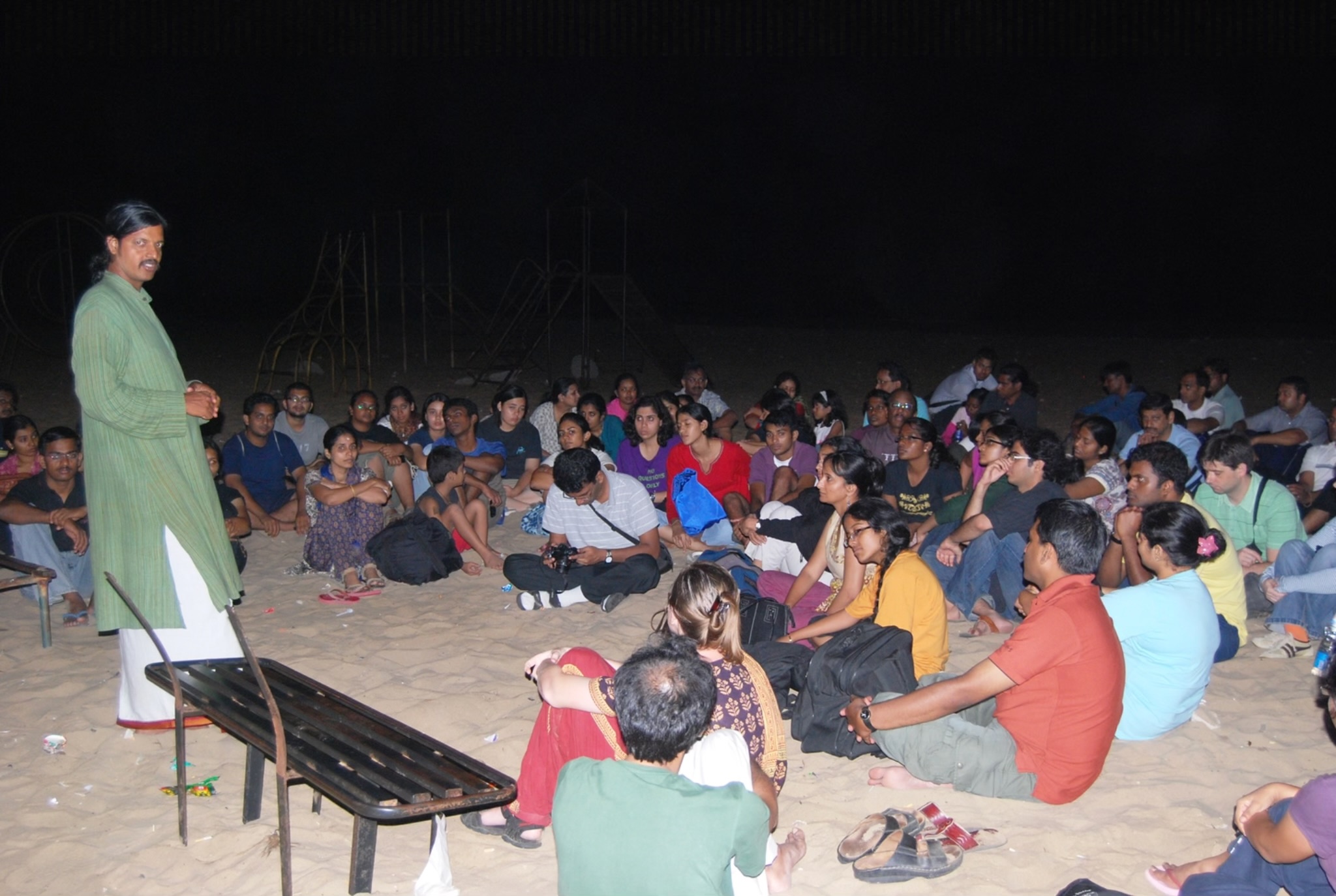
During the first year, I was only notionally there, as the group was run by young people whose average age was around 17 or 18. At nearly 30, I was the old man of the group. I still am. My job was to deal with sticky situations like encounters with the police.
Turtle walks almost seemed like an illegal activity back then. While we had a verbal nod from the wildlife warden of the Tamil Nadu Forest Department, we had no other authorisation. The police would regularly catch us and demand that we go back home. No amount of explaining would get us out of these situations. As a school teacher, I had some respectability and could handle them a little better.
When it came to finding nests, these youngsters would get into a competitive frenzy, each with their own probe. I was only a bystander.
Then came one night when there were no walkers on a particular Wednesday. Arun, my namesake and ten years my junior, came to the school campus where I was staying and asked if I would join him on the night walk. The next day was a full teaching day, yet I didn't want us to miss a night, so I joined.
This was during my second season. We were still barely finding any nests. I was thinking we would walk till 2 am or 3 am and then get a few hours of sleep. Little did I know about the magical night that was awaiting us, the first of many in these last 29 years.
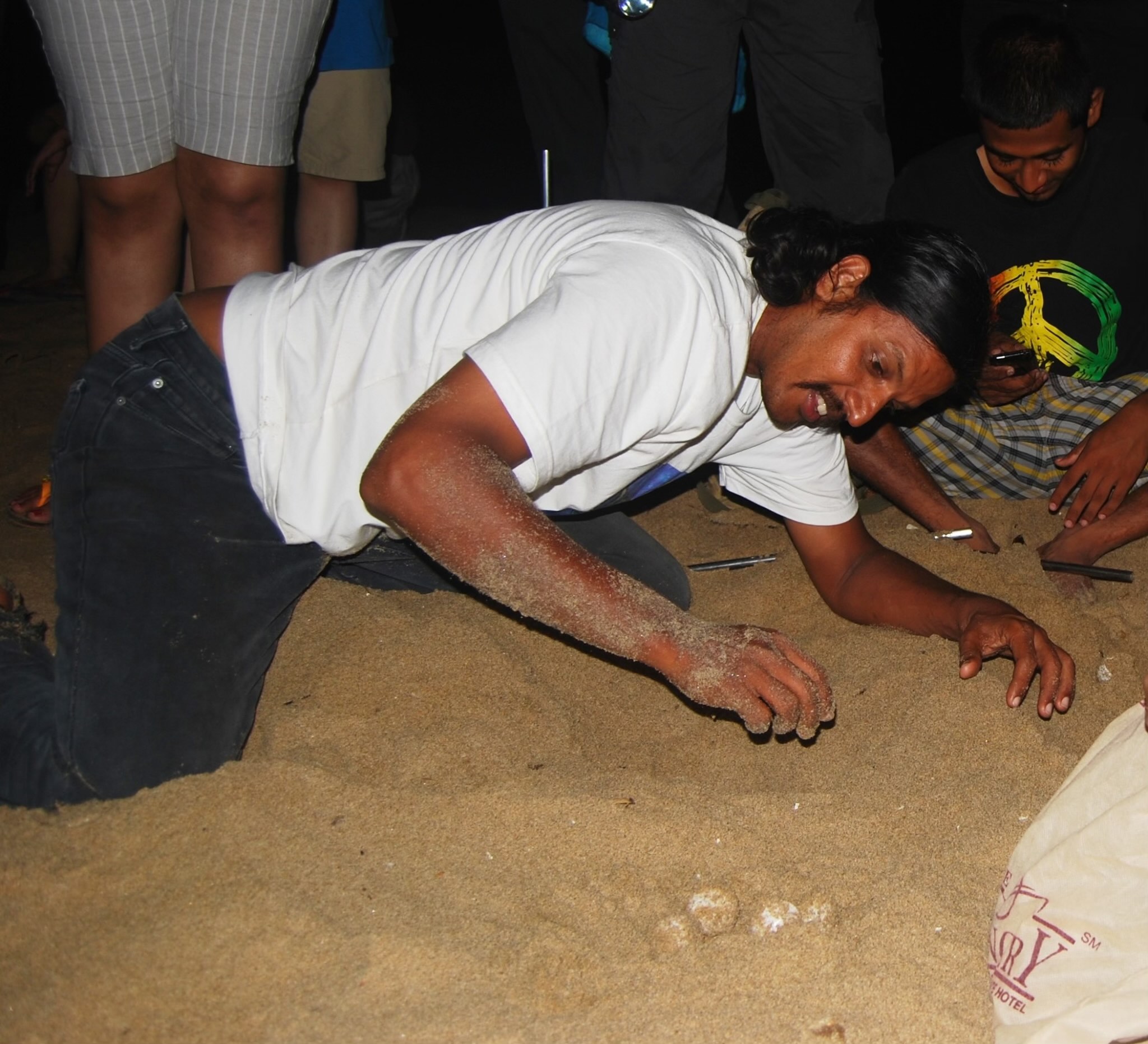
We had barely begun the walk when we found our first nest. Arun, as the expert, probed, found the nest and removed the eggs. I was an able assistant. By the first kilometre, we had found three nests. Arun was getting tired and asked me to find the fourth. So, for the first time in my life, with no little trepidation, I began probing and experienced the joy of finding a nest. The first contact with the eggs was exhilarating. I felt blessed, and I was hooked… for life.
We ended with 9 nests that night, with a few more that we either could not find or ran out of time for. We finished relocating all the eggs at 6.30 am, and I returned just in time for school. One can imagine how my school day went, but despite all the tiredness, the feeling of bliss stayed.
There have been many more such nights, and one looks forward to a few every season.
After the Tsunami
Till the season of 2005, we continued walking the same 6-odd kilometres without much change. Then the tsunami struck in December 2004. Members of our team who had walked the previous night on a recce walk barely missed it and saved their lives. Suddenly there was a fear of sleeping on the beach.
Therefore, we changed the direction of the walk from going south to going north. Our end point became our starting point, but ending at the earlier starting point suddenly made no sense. So we extended our walk to include nearly 2 km more of the beach. Some of our old members felt grumpy about this, as they also felt that we wouldn't find any nests in areas that we had not walked earlier. The last kilometre was a stretch of beach that was uninhabited and protected from access by the Theosophical Society campus. Our team felt that the nests were safe here and need not be removed to the hatchery.
Many surprises awaited us. We started walking at a later hour, as we were no longer sleeping on the beach. We started reaching the hitherto ignored Elliot's Beach around 4 am, and sometimes 5 am. Earlier, we were convinced that there would be no nesting here, as the beach was too brightly lit and had too much human presence. We were quite taken aback to find a huge haul of nests here over the season.
Also, the "safe" Theosophical beach was not safe at all, as a bunch of stray dogs had gone feral and were devouring all the nests in that stretch.
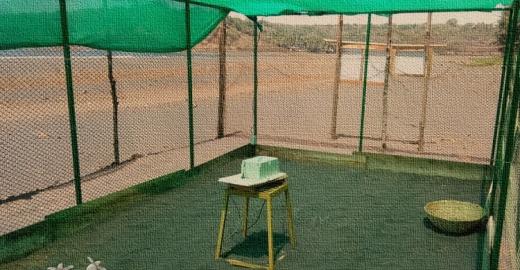
The team revised its understanding and set up the hatchery close to the Adyar river in 2005, where it is still located 20-odd years later.
The Marina Surprise
But a question came up. If the turtles were nesting on the brightly lit Elliot's Beach, would they be nesting on the even brighter and more crowded Marina Beach? It seemed improbable. After dragging our feet a bit, we decided to explore that possibility too, and what did we find?
I am quite ashamed to say this, but the Marina Beach stretch of 6-odd kilometres, with all its hustle and bustle, has turned out to be the most important nesting ground in Chennai.
Just to give a sense of the numbers: we have jumped from around 80 nests in the initial 6 km stretch to around 250–300 nests in the 13.5 km stretch!
Of course, the story is more complex, and the numbers have gone up mainly because other neighbouring beaches have been completely eroded. Still, to think that we had not realised there was nesting on Marina for so many years is quite a shame.
Working with the Forest Department
We continued with this new pattern of walking till 2015. Then the Tamil Nadu Forest Department re-entered the scene. They initially asked us to prepare a Standard Operating Procedure (SOP). We at the Students' Sea Turtle Conservation Network (SSTCN) prepared one for two districts.
We conducted workshops for Forest Department officials, which officials from all levels attended.
From 2016, a new chapter began, in which we started to work in collaboration with the Forest Department. This has brought about a phenomenal change in the story of turtle conservation in Chennai.
We have now reached a fully legitimate status. Most importantly, we have been part of the nodal task force for the protection of sea turtles for the past nine years. We receive ID cards from the Forest Department, which are very useful on the walks at night. We inform the police stations along the way, and so we are able to meet the police and explain our efforts, often to appreciative personnel.
With more people to work with, we are able to monitor the beach much better, as we make sure that between the SSTCN and Forest Department teams, we cover the beaches across the entire night.
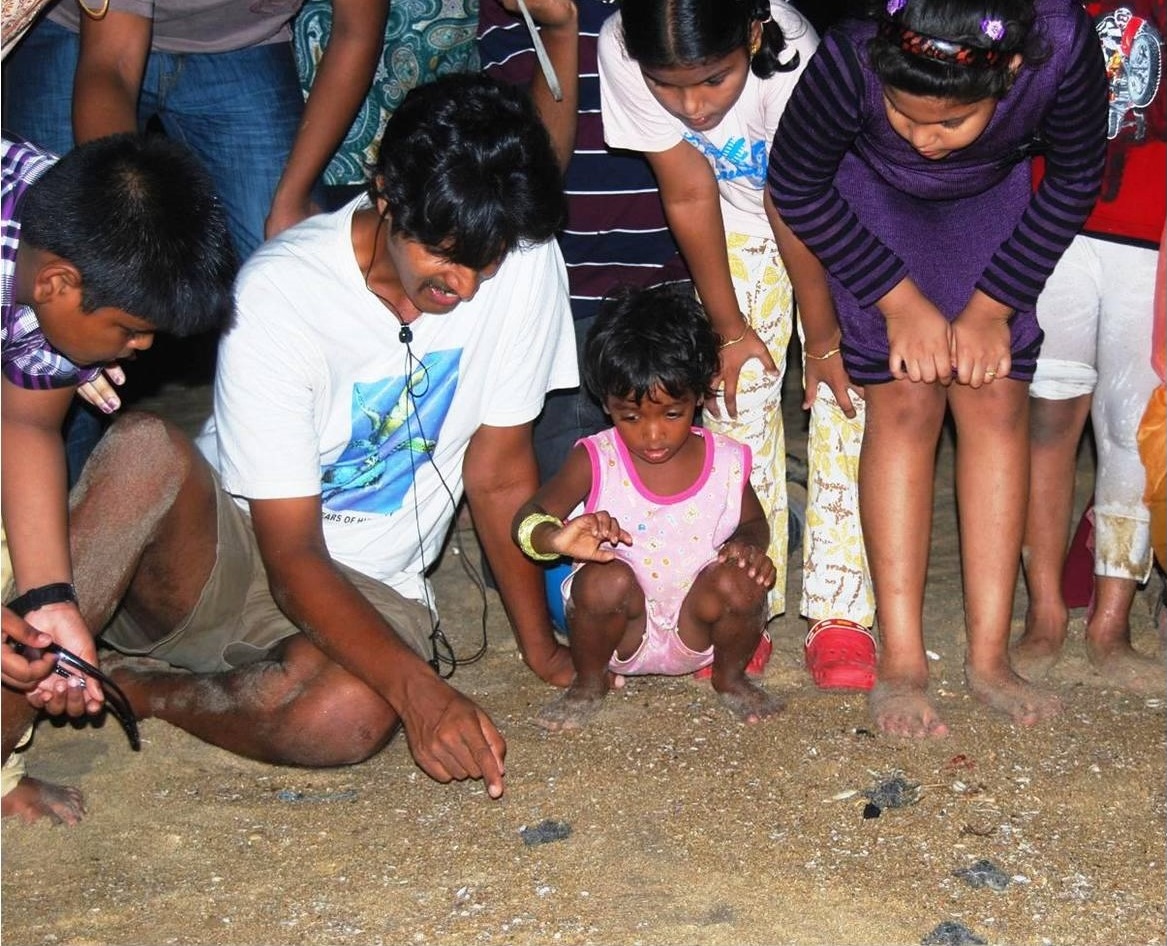
Sea turtles, being such a charismatic species, have grown in popularity among the residents and visitors of Chennai, and the public walks are a huge part of the year, with hundreds signing up to attend. SSTCN focuses on taking students from schools and colleges on walks.
On the media front, we have gone from being completely ignored, to being covered only in local papers, to being good enough only for supplementary sections, to a brief blitz on local TV. Now we have big news on all media formats, and social media has taken this whole story to ludicrous levels.
Creating History
With each passing season, we realise we are creating history, as we continue the legacy that Romulus Whitaker started in the early 1970s, making us perhaps the longest-running voluntary conservation organisation in the world.
Each new volunteer realises that they are following in the footsteps of legends like Rom, Satish Bhaskar and countless volunteers who have gone on to become scientists, wildlife filmmakers, conservationists, educators and journalists covering wildlife.
That said, despite all these efforts, the last two years have been very sad, with a huge number of deaths, while nesting has been high too. But on the positive side, we have the entire state machinery to engage with the problem.
I end this story with a feeling of gratitude for being part of the journey, and with a wish to continue it in the years to come.
By Arun V.
As we celebrate 25 years of the IOSEA Marine Turtle MOU, we showcase some of the people, initiatives and communities that have contributed to marine turtle conservation across the region. Visit our Story Map to discover their stories.