From Ancient Mariners to Future Generations: Tanzania's Journey in Marine Turtle Conservation
Sea turtles are ancient mariners that have graced our oceans since the age of dinosaurs. And for over two decades, the Marine Parks and Reserves Unit (MPRU) of Tanzania has been at the forefront of protecting them, steadily over the years, through a journey of collaboration, dedication, and an evolving relationship between coastal communities and these iconic species. As a proud Signatory to the IOSEA Marine Turtle MOU, which celebrates its 25th anniversary in 2026, Tanzania has woven sea turtle conservation into the very fabric of its marine protected area management.
The Numbers That Tell a Story of Hope
MPRU's work, often in partnership with organizations like Sea Sense, has demonstrated measurable impact, and behind every number here is a partnership that made it possible. Our focus on protecting nesting beaches in partnership with local communities has yielded impressive results across our Marine Protected Areas, particularly on the beaches of Juani Island within the Mafia Island Marine Park (MIMP), a key site within the Rufiji-Mafia Seascape and part of the IOSEA Site Network — where we have recorded significant nesting activity.
Working alongside these community partners, MPRU recorded 68 green turtle nests in the 2025–2026 reporting period alone, with 969 eggs laid and 735 hatchlings successfully released into the Indian Ocean1. Further north, in a similar partnership between MPRU and the communities around the Tanga Coelacanth Marine Park (TACMP), a hatchery success rate of 87.9% was documented, with 356 baby turtles reaching the ocean from a clutch of 405 eggs in one season2. These hatchlings represent not just biological success, but a pipeline for future nesting populations. Yet the numbers alone don't tell the whole story: there's also the people behind them.
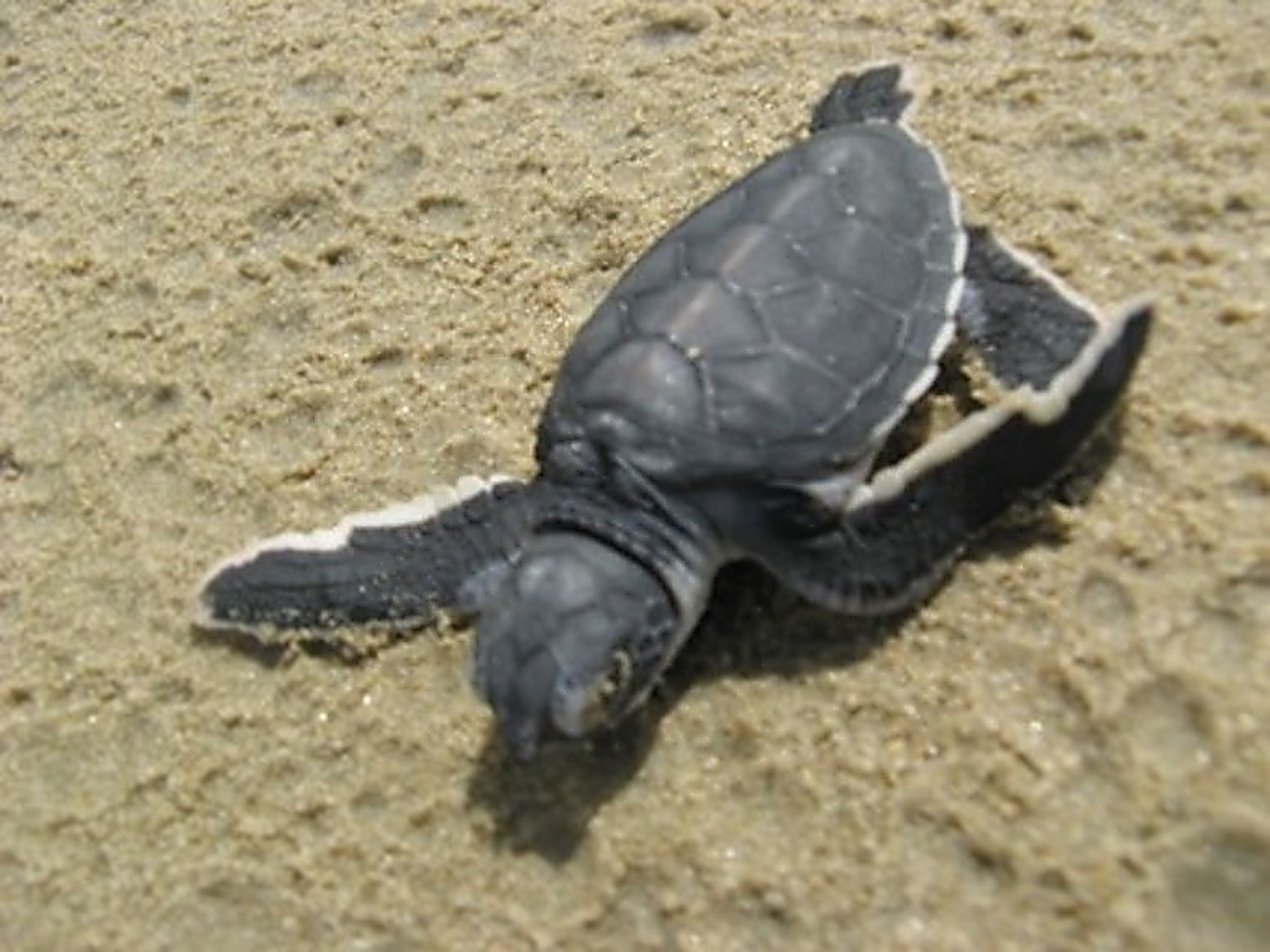
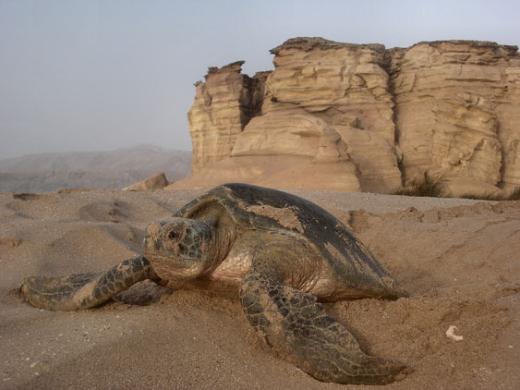
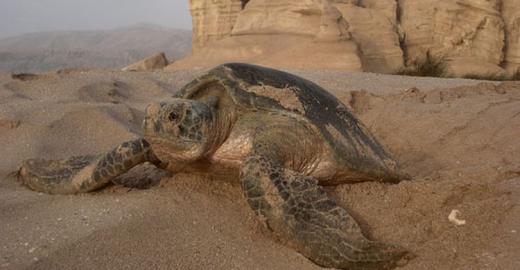
Hatchling at Kingumi (© MPRU Tanzania)
Communities as Guardians, Not Just Beneficiaries
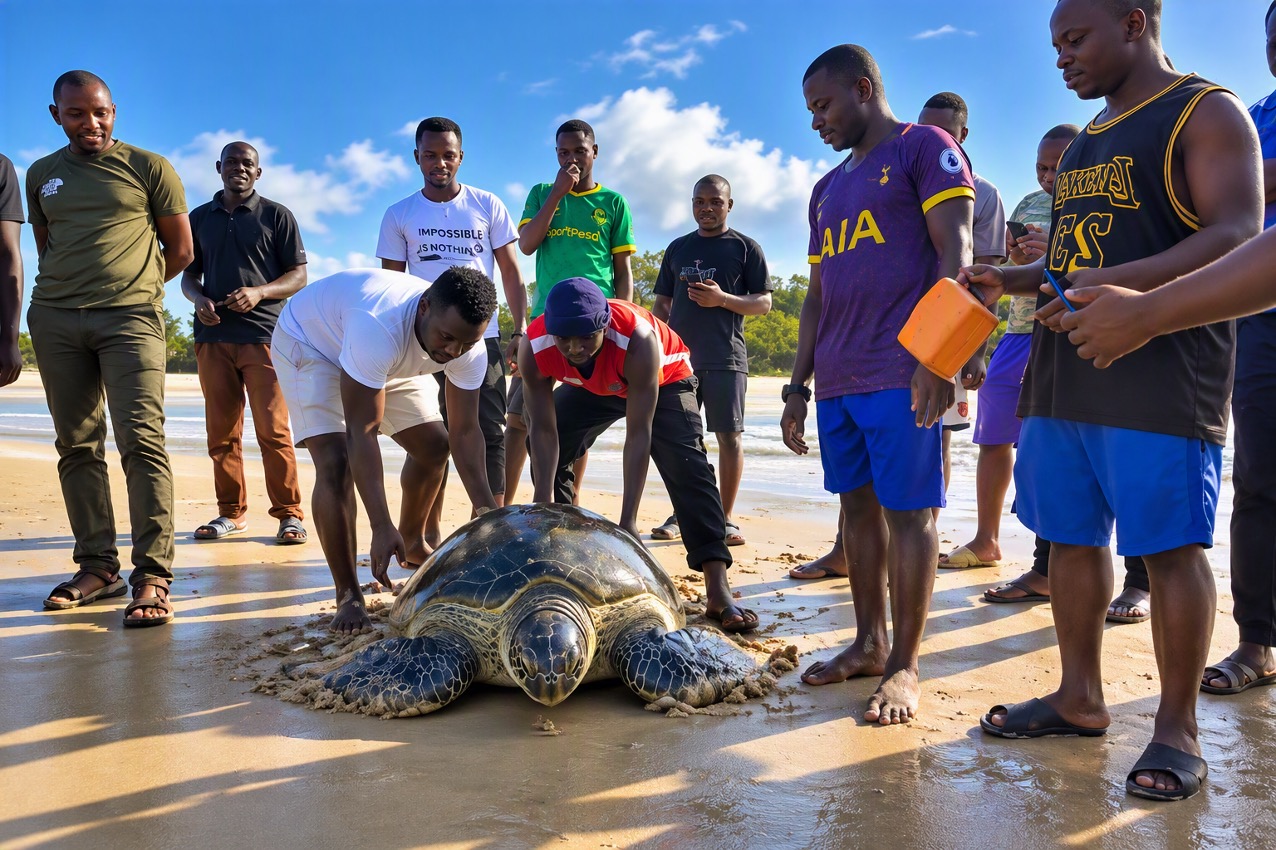
Perhaps the most significant shift has been the transformation of local communities from potential poachers to active protectors. Fishermen who once might have turned a blind eye to turtle poaching are now part of patrols, reporting incidents, and participating in beach clean-ups. Many of those same fishing communities have become the turtles' first line of defence. Working with Village Liaison Committees (VLCs) and community volunteers, MPRU has embedded conservation at the grassroots level, turning individual acts of vigilance into a shared, lasting partnership between rangers and the communities who know these coastlines best.
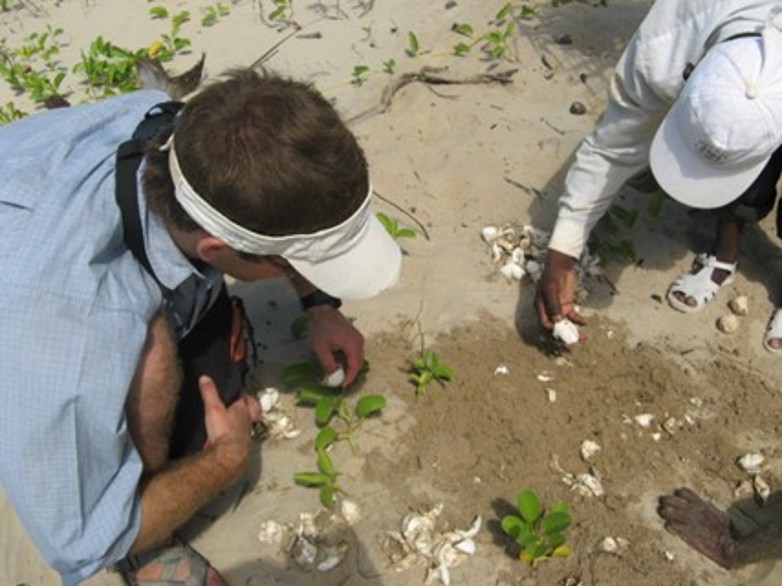
Counting sea turtle egg shells at Kingumi (© MPRU Tanzania)
It's a shift from bystanders to guardians, echoed in similar community-led efforts across the region, where community-led initiatives are proving vital for long-term conservation. This shift is supported by national policy, including the National Action Plan for the Conservation of Marine Turtles (2024–2029), which reinforces the legal framework protecting turtles and promotes community education, giving communities the tools to sustain what they have already begun.
Addressing the Silent Killers
While our beaches are more secure, turtles still face grave threats at sea. Incidental capture in fishing gear remains a critical challenge, alongside marine pollution, especially plastic waste which turtles often mistake for food. MPRU is actively addressing this by promoting sustainable fishing practices, working closely with fishing communities, strengthening enforcement patrols, and integrating marine pollution monitoring into our conservation activities. Data on plastic waste is now being collected in our MPAs to inform mitigation strategies and engage with polluting industries1.
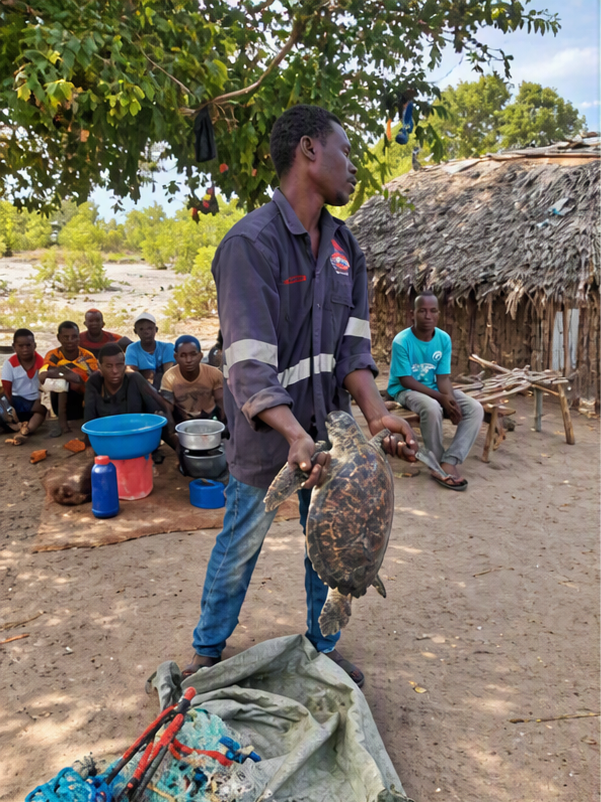
Rescued sea turtle from poachers during patrol activity (© MPRU Tanzania)
A Shared Success Story
From the emergence of the first hatchling to the largest nesting aggregations, each success is built on the shoulders of dedicated MPRU staff, our partners at Sea Sense, the Department of Fisheries, and the unwavering spirit of Tanzania's coastal communities. This is what partnership looks like in practice, many hands doing the work, season after season.
As Tanzania hosts international events, including the 9th Meeting of the Signatory States (MOS9) of the IOSEA Marine Turtle MOU in Dar es Salaam in June 2024, our story is part of a larger regional tapestry of collaboration, a reminder that no coastline protects its turtles alone. The journey continues, but the path forward is bright, illuminated by the flippers of thousands of baby turtles heading home to the sea.
¹ MPRU 2025–2026 Conservation Progress Report
² MPRU Annual Physical Progress Report 2023–2024
| Fichier attaché | Taille |
|---|---|
| MPRU_Annual Physical Progress Report_2023-2024.pdf | 912.28 Ko |
| MPRU_Annual Physical Progress Report_2024_2025.pdf | 583.77 Ko |
| MPRU_Conservation Progress Report_2025-2026.pdf | 952.12 Ko |