The Story of Green Turtle Conservation on Thameehla Island
In the 1830s, during the reign of King Thayawaddy, a local official on a small island near the mouth of Myanmar’s Ngawun River is said to have done something remarkable. He built a pagoda in memory of his daughter and declared the island a sanctuary, protecting its turtles and their nesting grounds. A stone inscription warning against killing turtles or collecting their eggs was reportedly placed there too. The stone has not yet been found. But nearly two centuries later, the promise behind it lives on.
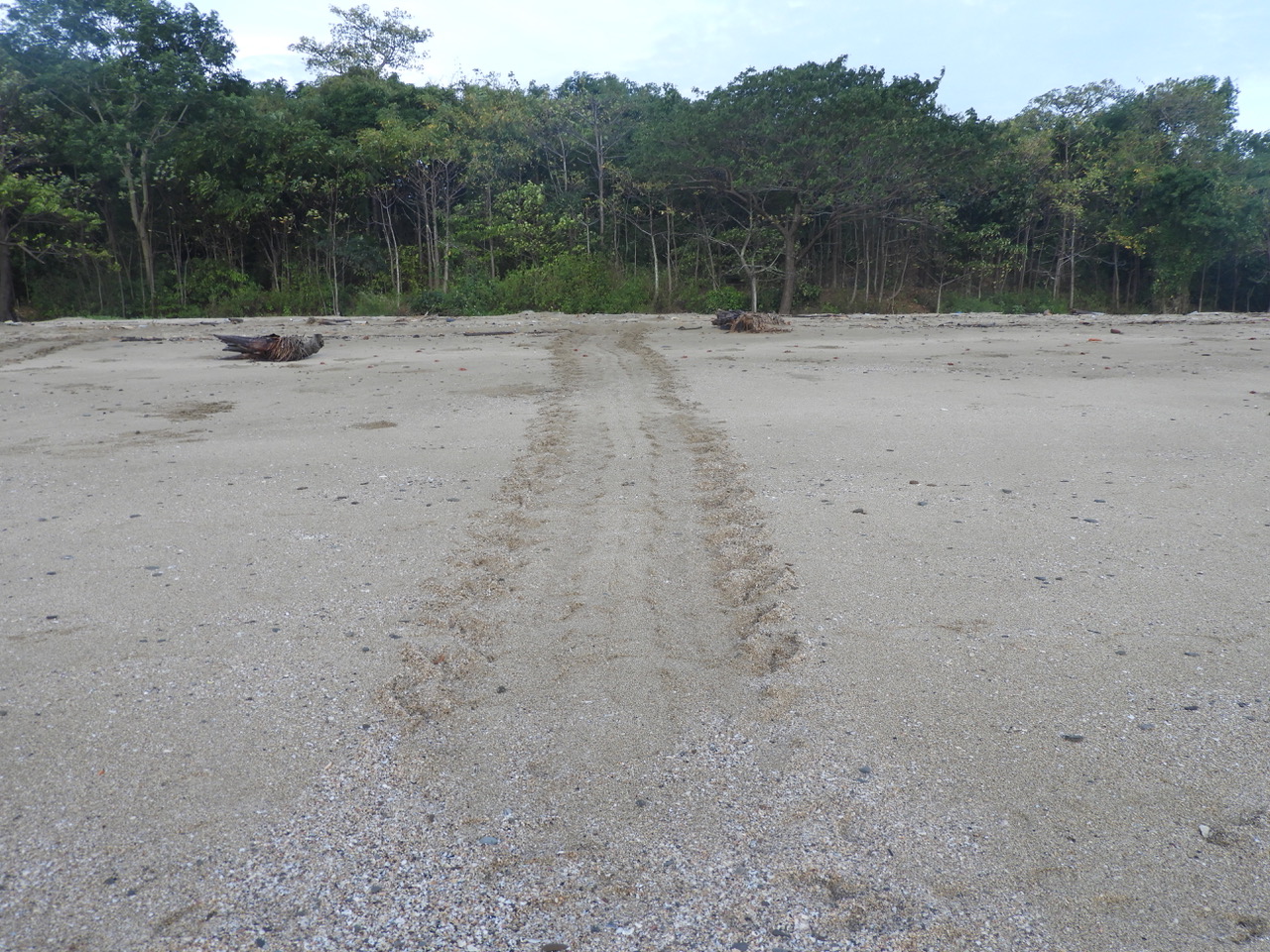
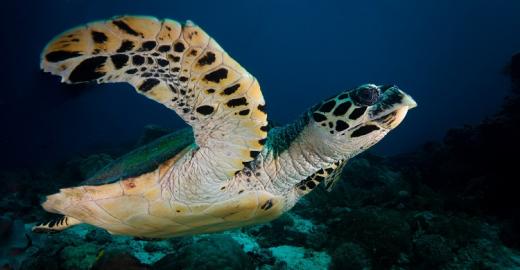
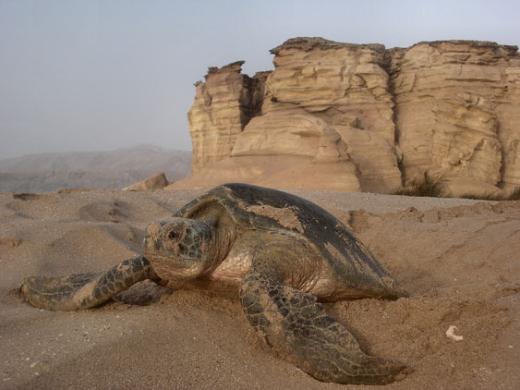
The island, located in Ngaputaw Township, Ayeyarwady Region, is now known as Thameehla Island. British colonial officer F. D. Maxwell documented the island in 1911. Its diamond-like shape led the British to call it “Diamond Island”, while local communities knew it as “Turtle Island”. At the time, Maxwell reported thousands of turtles nesting there each year and producing millions of eggs. Today, Thameehla remains an important nesting site for the Green Turtle (Chelonia mydas) in Myanmar.
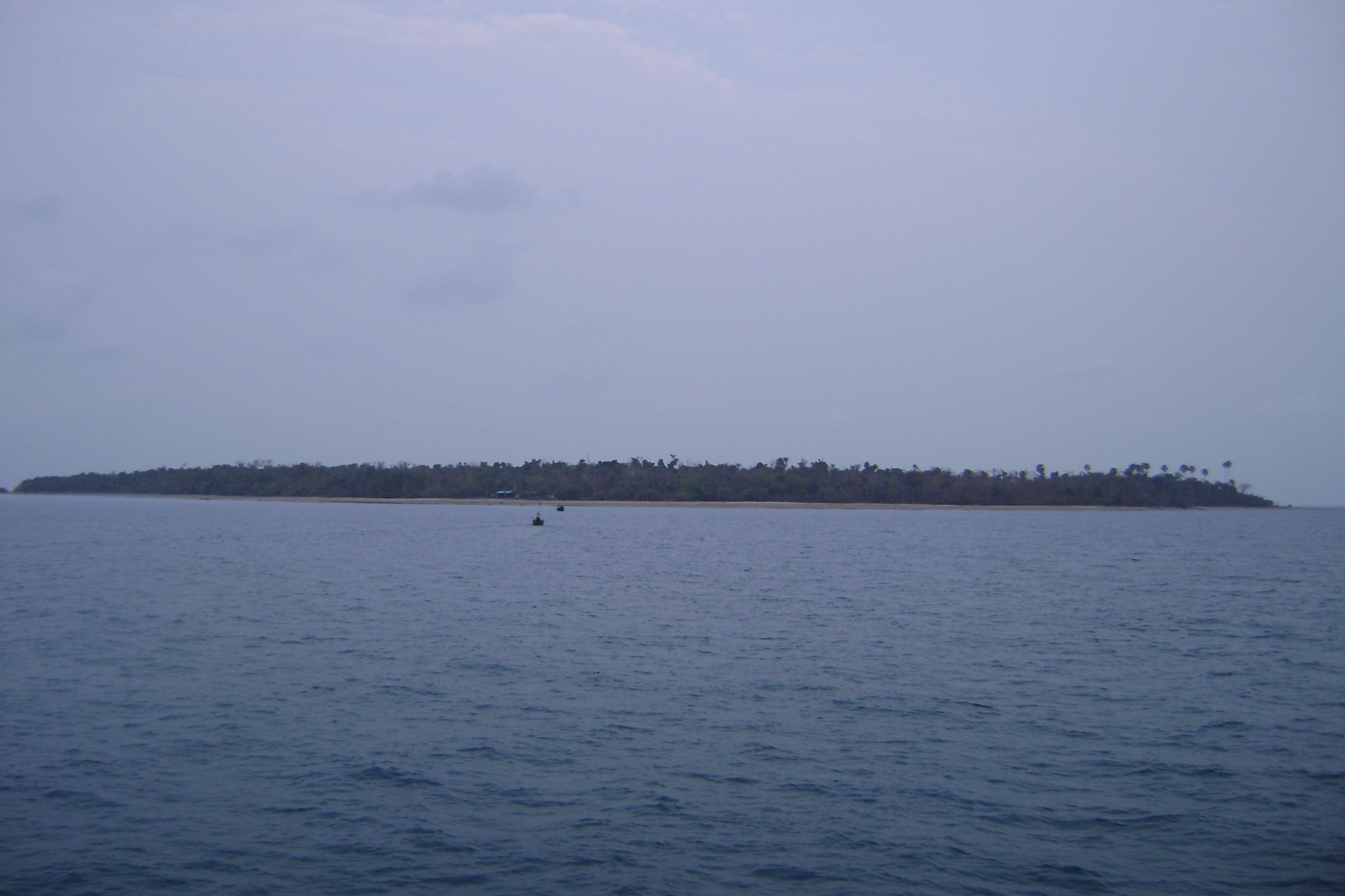
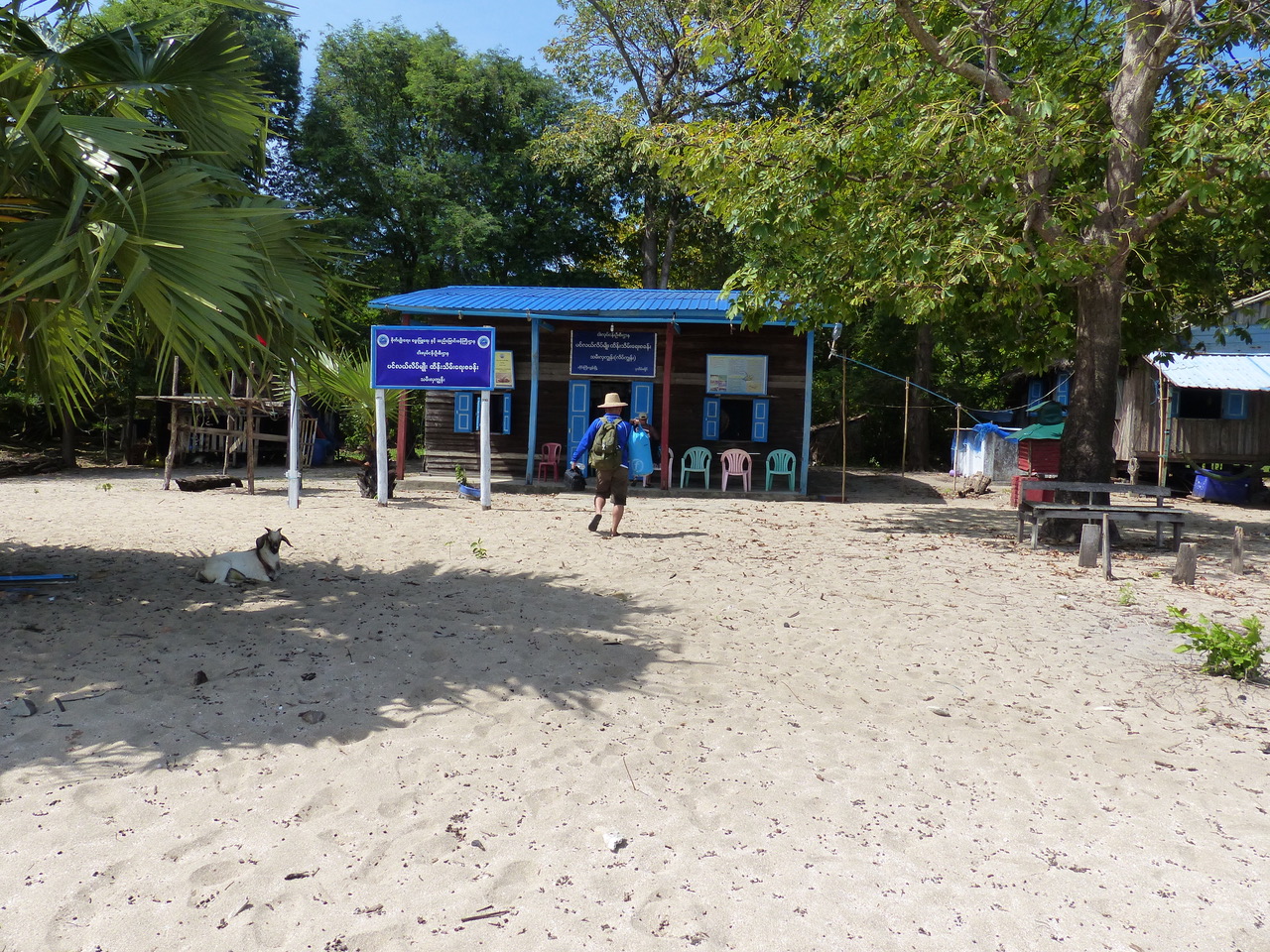
Thameehla Island (© DOF Myanmar)
A Long History of Protection
The island’s protection, however, has not been a straight line. By the early twentieth century, commercial collection of turtle eggs had become established on the island. A collection licence was issued in 1911, and eggs were sold in Pathein, Yangon and surrounding coastal communities. Decades of harvesting, together with other pressures, contributed to the decline of turtle populations.
Marine turtle conservation efforts on Thameehla Island began in 1963, and a major turning point came in 1970, when it was officially designated as a marine conservation area by Myanmar’s Forest Department. Since 1986, the Department of Fisheries has been responsible for marine turtle conservation and management on the island, with hatcheries established in 1986-1987 to improve the survival of vulnerable eggs and hatchlings.
Over the decades that followed, conservation expanded beyond the hatchery to include nesting-beach protection, regular monitoring, tagging, research, habitat management and community awareness. The transformation was not achieved by a single intervention. It was built through decades of watching, learning and adapting. And the turtles kept coming back.
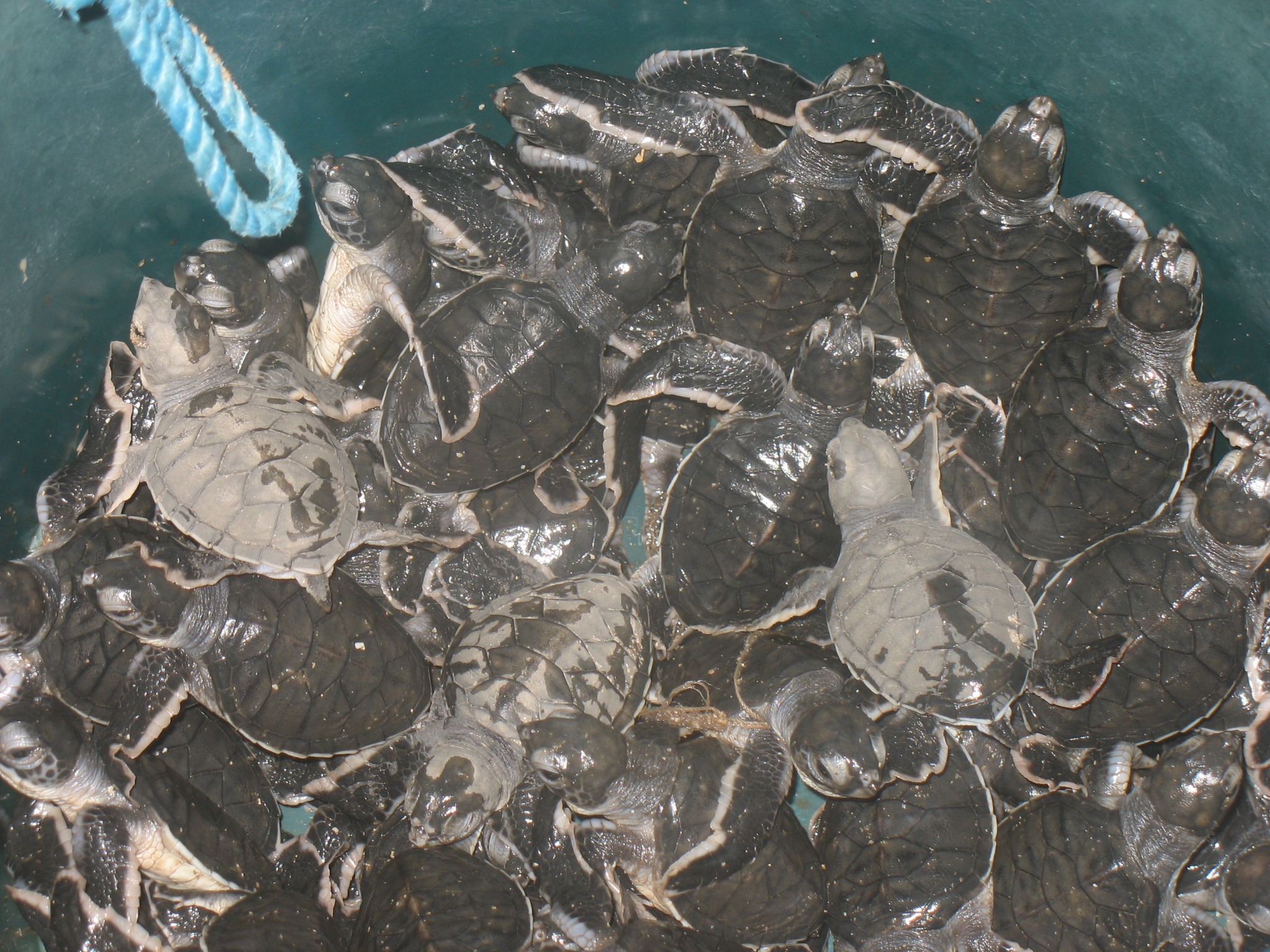
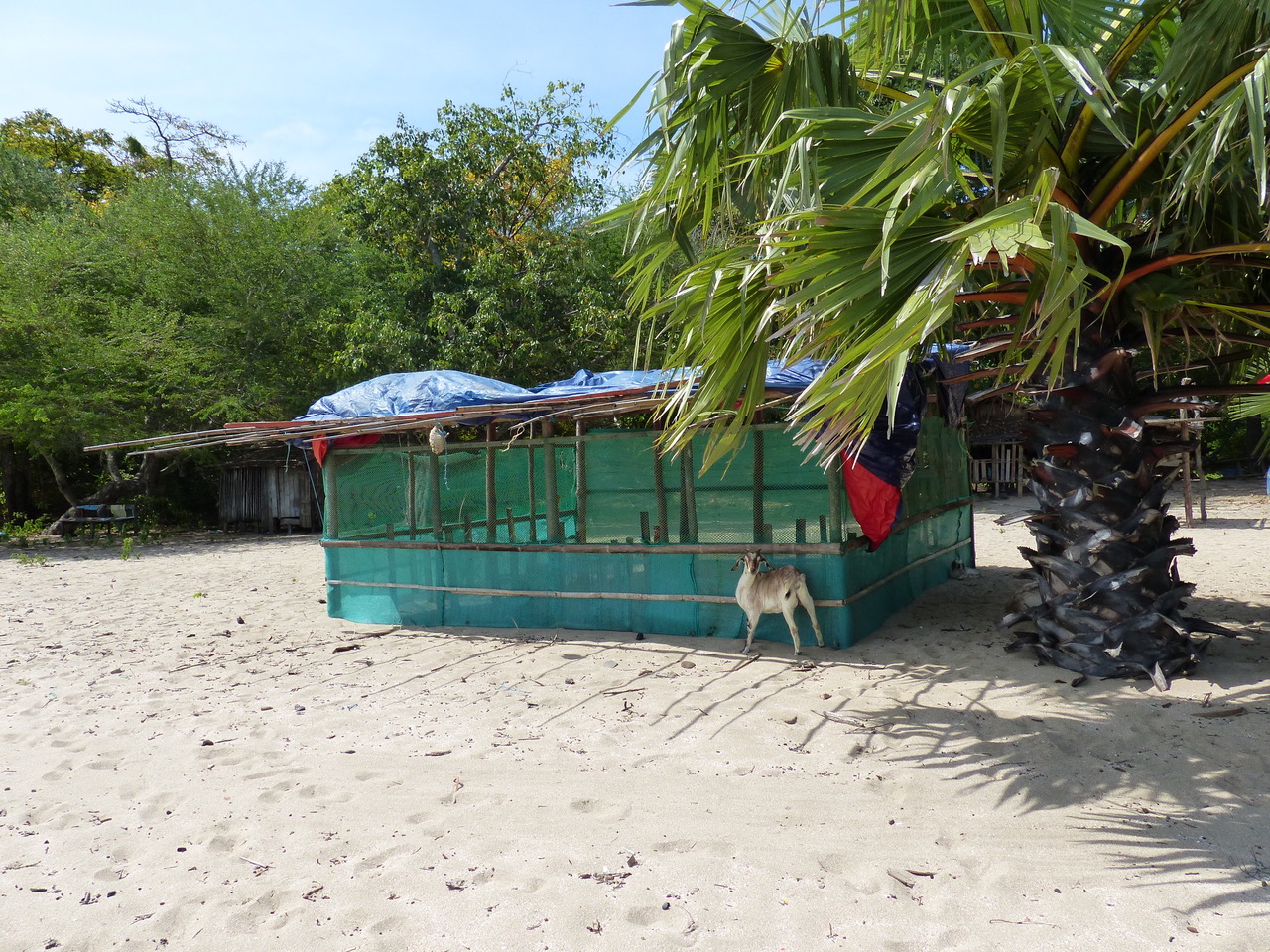
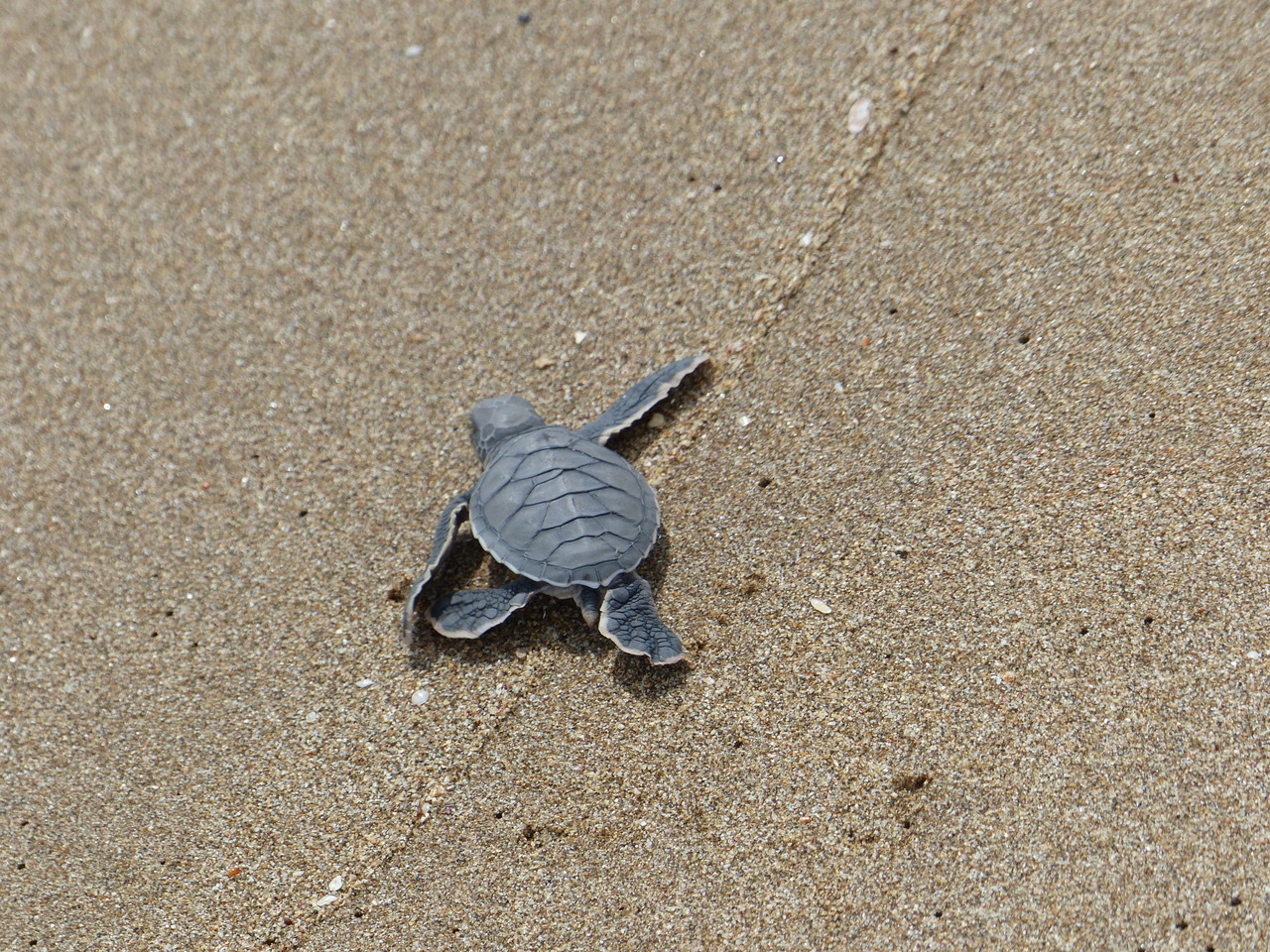
Hatchlings waiting to be released (© DOF Myanmar)
Tracking the Turtles
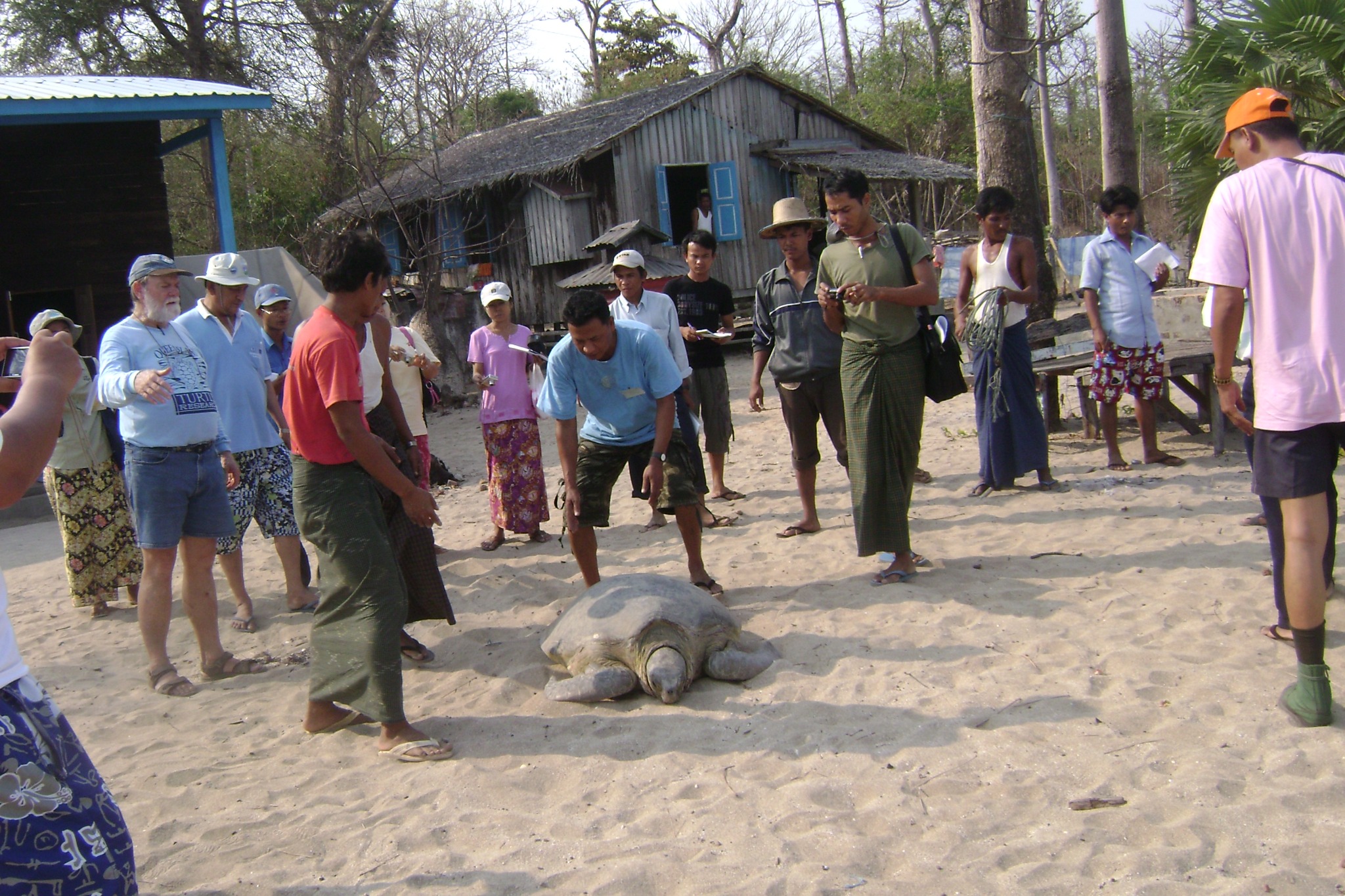
Since 2002, conservation teams have tagged hundreds of green turtles at Thameehla. Between 2002 and 2025, 557 green turtles were tagged, with 544 recorded instances of tagged turtles returning to the island. Some individuals returned more than once, providing evidence of site fidelity and showing that Thameehla is not simply a place turtles happen to reach, but a nesting site to which some return repeatedly.
Between 1986 and 2025, 9,203 nests containing 839,871 eggs were recorded on the island. Over the same period, approximately 607,482 hatchlings were released into the sea through the Thameehla Conservation Station. Behind every number is a nest that had to be protected, an egg that had to survive, and a hatchling that had to make its way from the sand to the sea.
From Protection to Understanding
Alongside protection, conservationists have continued to monitor and study the turtles and their nesting habitat. Regular monitoring has tracked nesting turtles, nests, eggs, hatchlings and beach conditions over many years. Tagging has helped reveal patterns of return and movement, while tissue samples collected for DNA analysis have contributed to understanding the population. In 2018, temperature loggers were also placed inside nests to monitor incubation conditions and help researchers understand how environmental changes may affect turtle development.
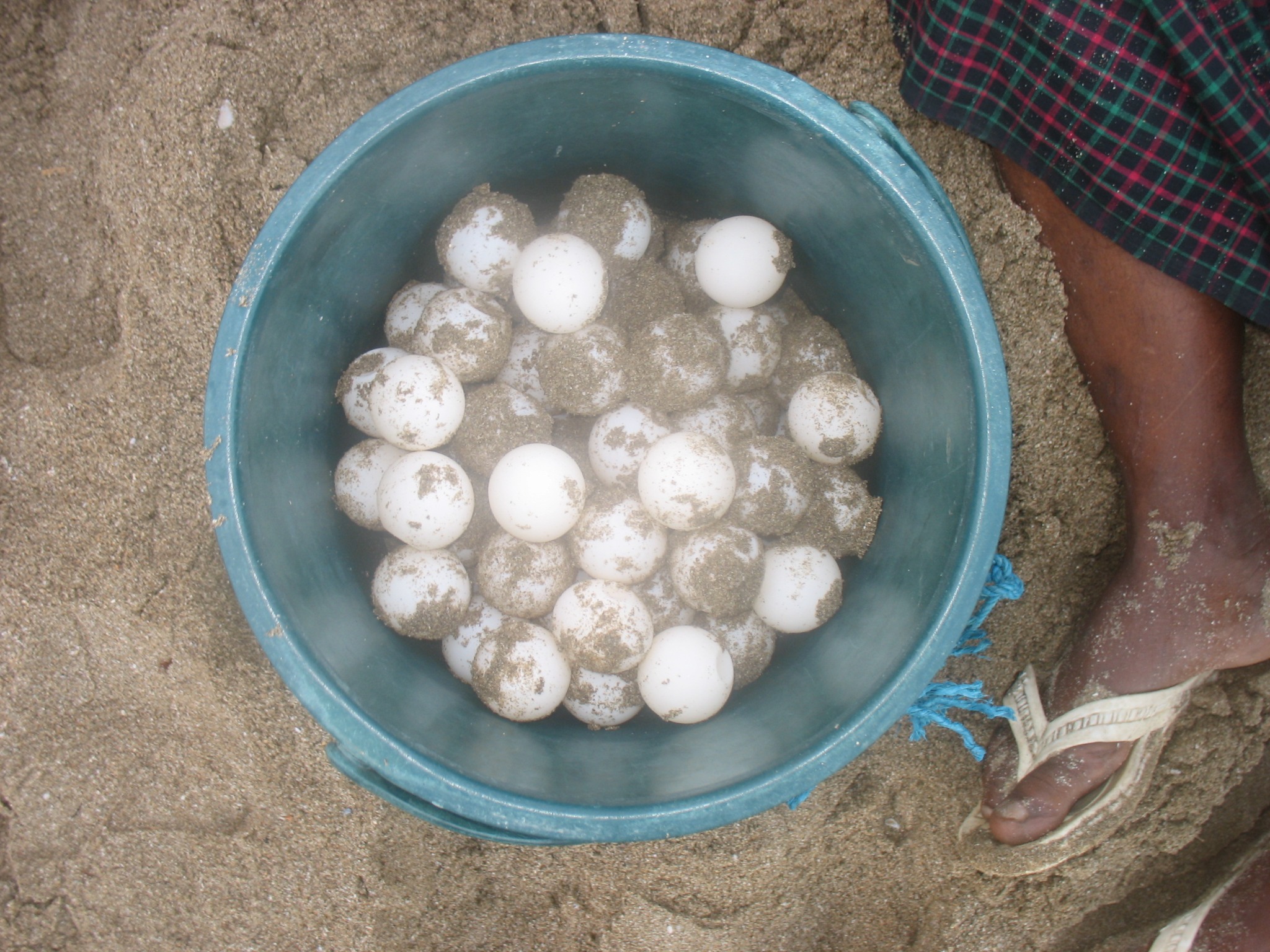
Bucket of collected turtle eggs (© DOF Myanmar)
The island has therefore become more than a place where turtles are protected. It is also a place where conservationists can learn about them and use that knowledge to improve management. And this long-term approach has shown promising signs. Studies involving Fauna & Flora International and local partners have reported increased nesting activity and improved hatching rates since 2017. Such trends need to be interpreted cautiously because turtle nesting naturally varies from year to year, but they offer encouraging evidence of what sustained protection and monitoring can achieve.
A Wider Network
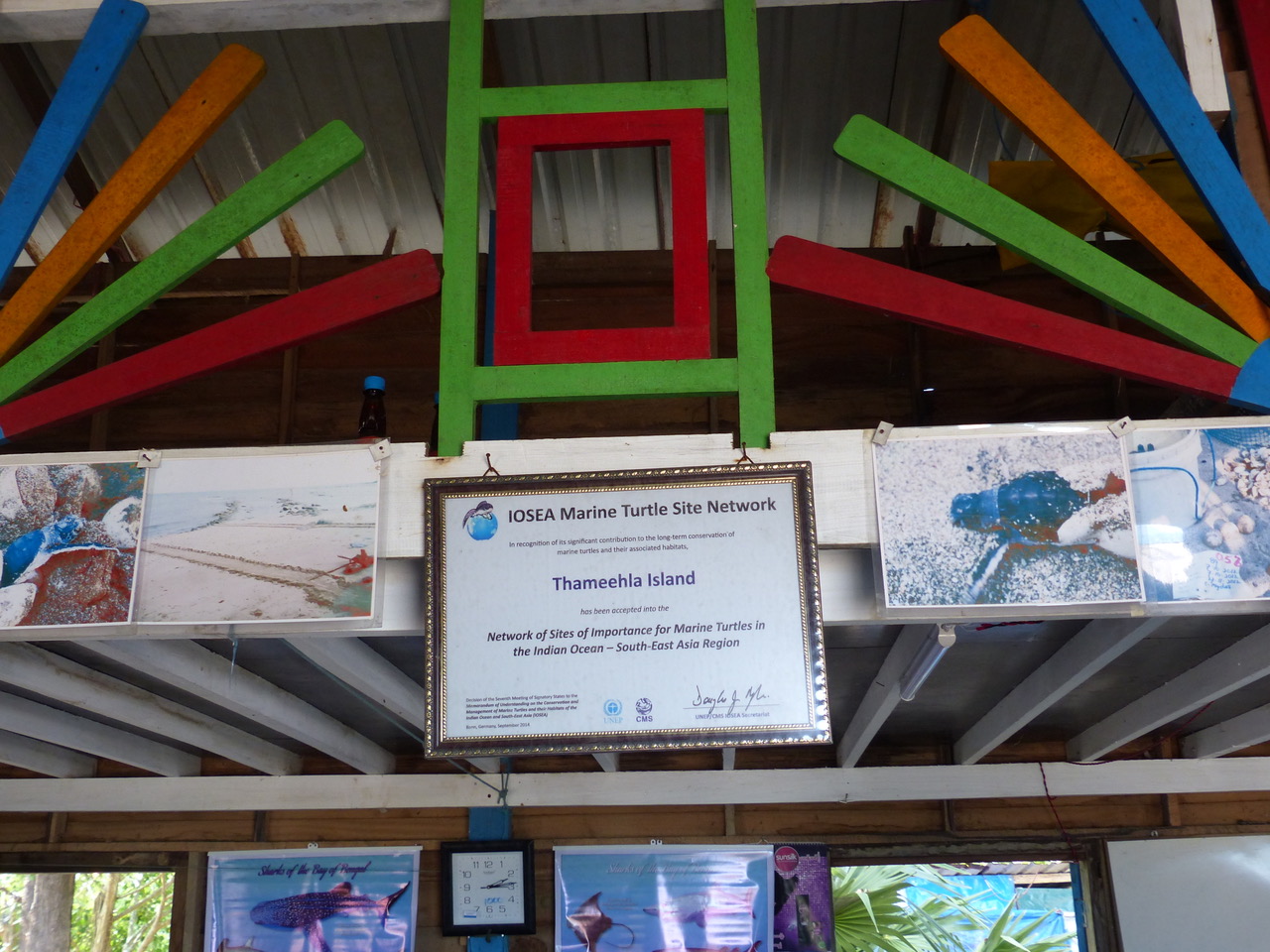
Thameehla’s story is also part of a regional effort to protect marine turtles. Myanmar’s conservation efforts have been strengthened through regional cooperation. In 1999, Myanmar became a member of SEAFDEC, creating opportunities for training and workshops on marine turtle conservation and strengthening technical cooperation. In 2001, the Department of Fisheries signed the Memorandum of Understanding on the Conservation and Management of Marine Turtles and their Habitats of the Indian Ocean and South-East Asia (IOSEA Marine Turtle MOU). This was followed by a Technical Support and Capacity-Building Programme in 2010, facilitated by the IOSEA Marine Turtle MOU. In 2014, Thameehla Island was included in the IOSEA Marine Turtle Conservation Site Network, recognising its importance within a wider network of sites critical for marine turtle conservation.
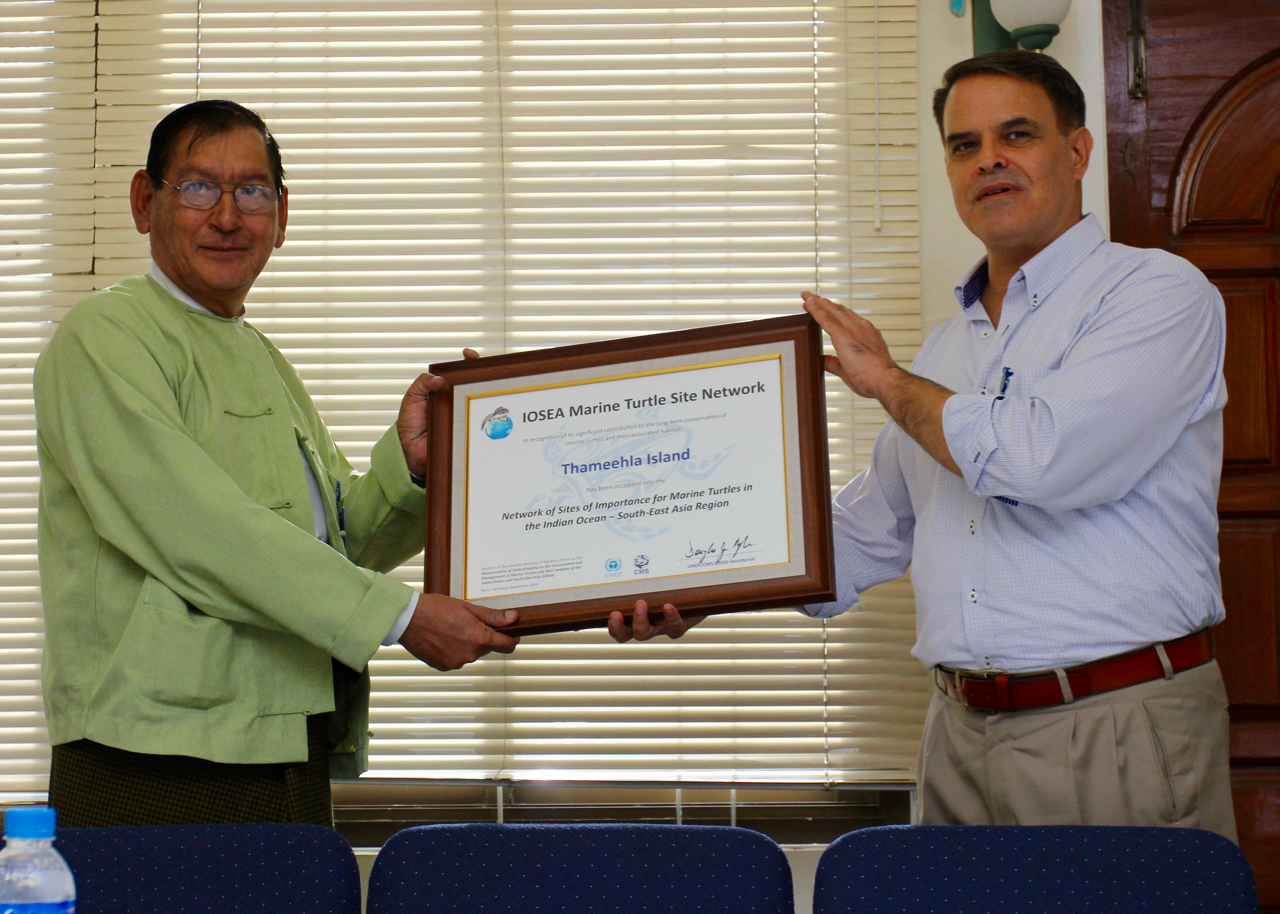
Thameehla Island is recognised as a site of importance in the IOSEA Site Network (© DOF Myanmar)
A Place Under Pressure
Yet, protecting an island does not mean protecting it from change. Between 1986 and 1994, four beaches were used for turtle nesting. Today, coastal erosion and tidal processes have reduced suitable nesting habitat to two major beaches. Marine debris has added another challenge: a survey conducted during 2023-2024 recorded 327 pieces of debris on Thameehla’s nesting beaches, including plastics, bottles, fishing-net fragments and ropes. Such debris can interfere with nesting behaviour and reduce the quality of turtle habitat, while fishing-related threats and changing coastal conditions add further pressure.
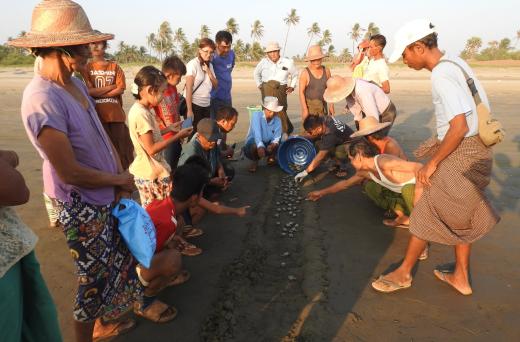
That is why conservation on Thameehla cannot stand still. Patrols continue to protect nesting turtles and their eggs. Vulnerable nests can receive additional protection through hatchery incubation. Monitoring helps identify changes, while research helps managers understand the turtles and the habitat on which they depend.
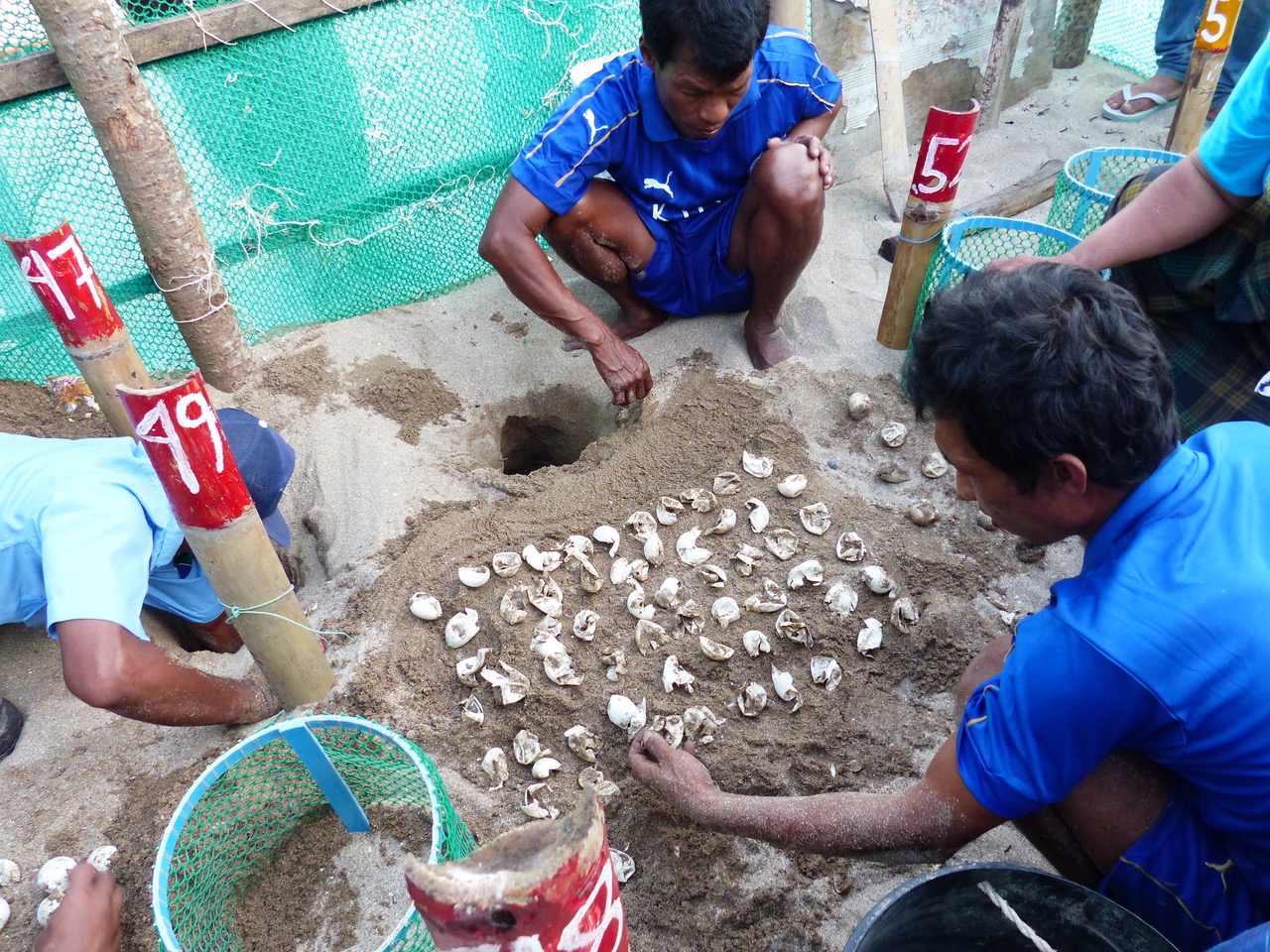
Individuals collecting and counting hatched turtle shells from nests (© Ocean Ecology Network)
Keeping the Promise Alive
Local communities are becoming part of the story too. During the year 2023-2024, awareness activities were held in 15 villages, alongside community beach-cleaning and field training activities. Between 2023 and 2025, the conservation station released 20,961 green turtle hatchlings and tagged 89 green turtles. These efforts reflect the continuing commitment to protect Thameehla’s turtles as the threats facing the island evolve.
Nearly two centuries ago, someone decided that the turtles of a small island were worth protecting. Now their long-term success depends on continued habitat protection, reducing fishing-related threats, strengthening scientific monitoring and community involvement, and maintaining cooperation among SEAFDEC, IOSEA, government agencies, universities, NGOs and local communities. Together, these efforts can help safeguard green turtles, the coastal ecosystems they depend on, and Myanmar’s natural heritage for future generations.
By Maung Maung Lwin and Htun Thein
As we celebrate 25 years of the IOSEA Marine Turtle MOU, we showcase some of the people, initiatives and communities that have contributed to marine turtle conservation across the region. Visit our Story Map to discover their stories.
Gallery images