40 Years of Sea Turtle Conservation in Reunion
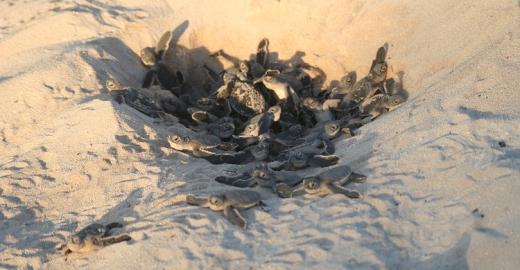
In 2004, two female green turtles came ashore on the pilot beach of a restoration program on Reunion's west coast and laid their eggs. It doesn't sound like much. But between 1980 and 2004, only four nesting attempts had been recorded on the entire island. Sea turtles had once been so abundant here that when the first sailors landed there in the 17th century, Reunion was considered a "Turtle Island", a place where passing ships could stock up on fresh meat and fight off scurvy. By the end of the twentieth century, that abundance was gone: breeding had ceased, sightings at sea were rare, and the turtles that remained were routinely consumed.
Building the Conditions for Return
Sea turtles in Reunion were protected by prefectural decree in 1983. A Marine Nature Park followed in 1997, becoming a National Marine Reserve a decade later, and in 1998 the Center for the Study and Discovery of Sea Turtles (CEDTM) was established. In 1999, a program began restoring nesting beaches along the west coast, planting vegetation and rebuilding the sand that turtles need to nest successfully. And those 2004 nests were the first real evidence that the approach was working.
Since 2004, more than 15 hectares of coastline have been restored, and five females have returned to nest on these beaches, three of them across multiple nesting seasons. Tinette came back for two seasons. Gaby came for three, the last in 2024. Emma came for six, the last in 2022.
Watching from Sky and Sea
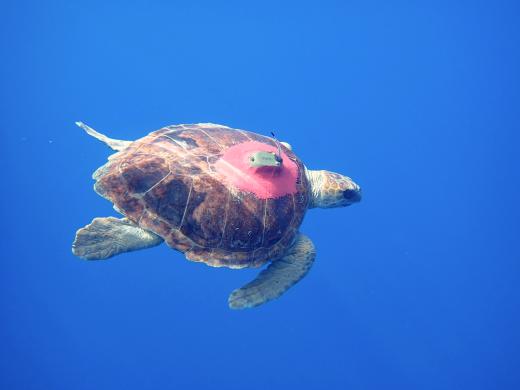
Two programs to monitor populations at sea have run alongside this work. From a microlight aircraft, surveyors count turtles along a stretch of coastline that started at 30 kilometers and has since grown to 62km along the island’s southern and western coastlines. Underwater, divers identify individual turtles via photo-identification, by the unique scale pattern on their heads.
These two programs confirm the return of sea turtles to Reunion. In 1998, aerial surveys spotted an average of 5 turtles each flight. By 2024, that number had risen to 60. The data shows more young turtles too, a sign that new generations are joining the population, even as the numbers naturally rise and fall from year to year. The same surveys are also helping researchers understand the stresses and threats turtles face in the waters where they feed.
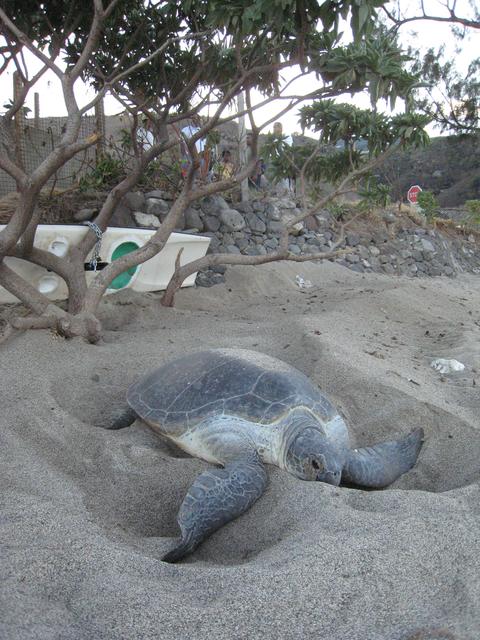
Nesting turtle on Reunion beach (© Reunion des Musées Régionaux)
Since 2004, more than 600 individual turtles have been identified through photo-ID, and 164 of them have now been seen for at least 10 years, three for more than 20. This underwater monitoring relies largely on free divers and scuba divers, who voluntarily contribute to the effort with their sightings as part of a citizen science program.
A Population Reclaiming Old Ground
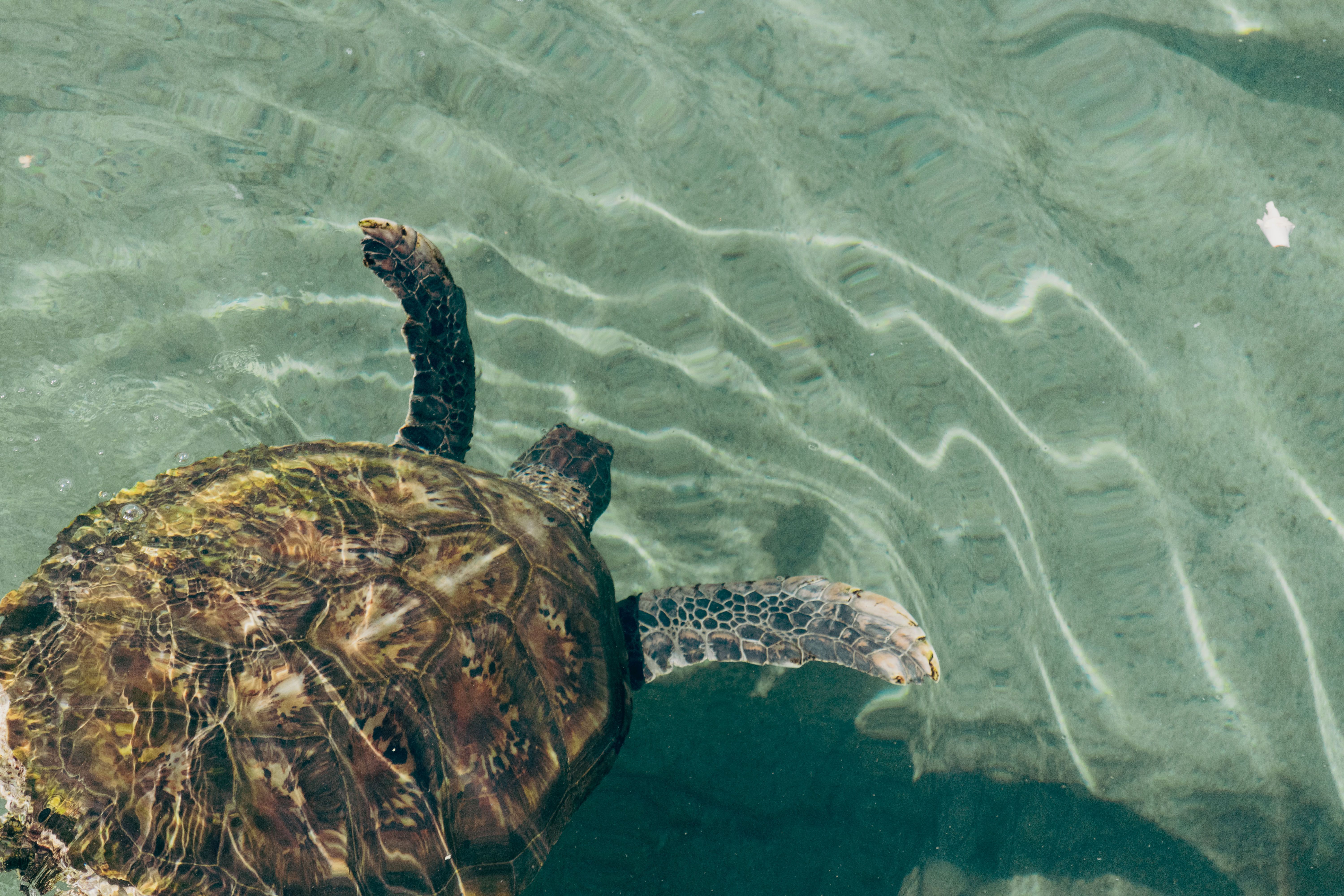
As populations grow, they are reoccupying habitats they had previously abandoned around the island. Two species are now regularly observed in Reunion's waters (lagoons and drop-offs): the green turtle, the most abundant and the only species that nests here, accounting for 75% of sightings, and the hawksbill turtle, which accounts for the other 25%. Also observed offshore, more rarely, are the loggerhead, the olive ridley, and the leatherback sea turtle.
Threats to sea turtles remain significant: bycatch, plastic pollution, and collisions with ships. Partnerships developed with marine users, particularly commercial fishermen and scuba diving operators, help mitigate them.
What Comes Next
Kélonia, Reunion’s sea turtle observatory, serves as both an awareness center and a rehabilitation center, and conducts scientific research. It welcomed nearly 230,000 visitors in 2025, raising awareness of sea turtle conservation. Kelonia's rehabilitation center takes in 30 turtles each year and manages to release 80% of them back into the ocean.
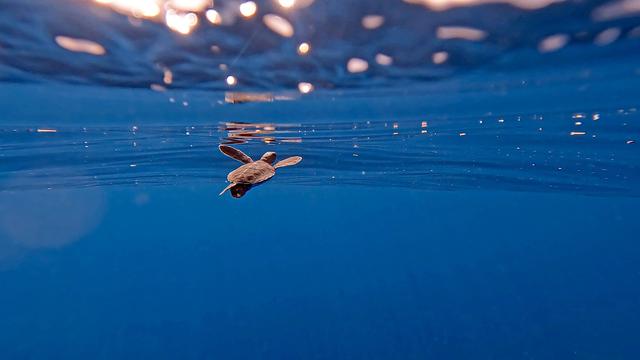
The first turtles nested here in 2004. Conservationists now expect their offspring, a second generation of females, to begin returning to Reunion's beaches to lay eggs in the coming years, reinforcing the idea that Reunion can once again become a "Turtle Island."
We hope that all the efforts to restore vegetation on the island's beaches will bear fruit and help these new generations of turtles return to Reunion to nest.
By Stéphane Ciccione (Kélonia - Réunion des Musées Régionaux)
As we celebrate 25 years of the IOSEA Marine Turtle MOU, we showcase some of the people, initiatives and communities that have contributed to marine turtle conservation across the region. Visit our Story Map to discover their stories.