
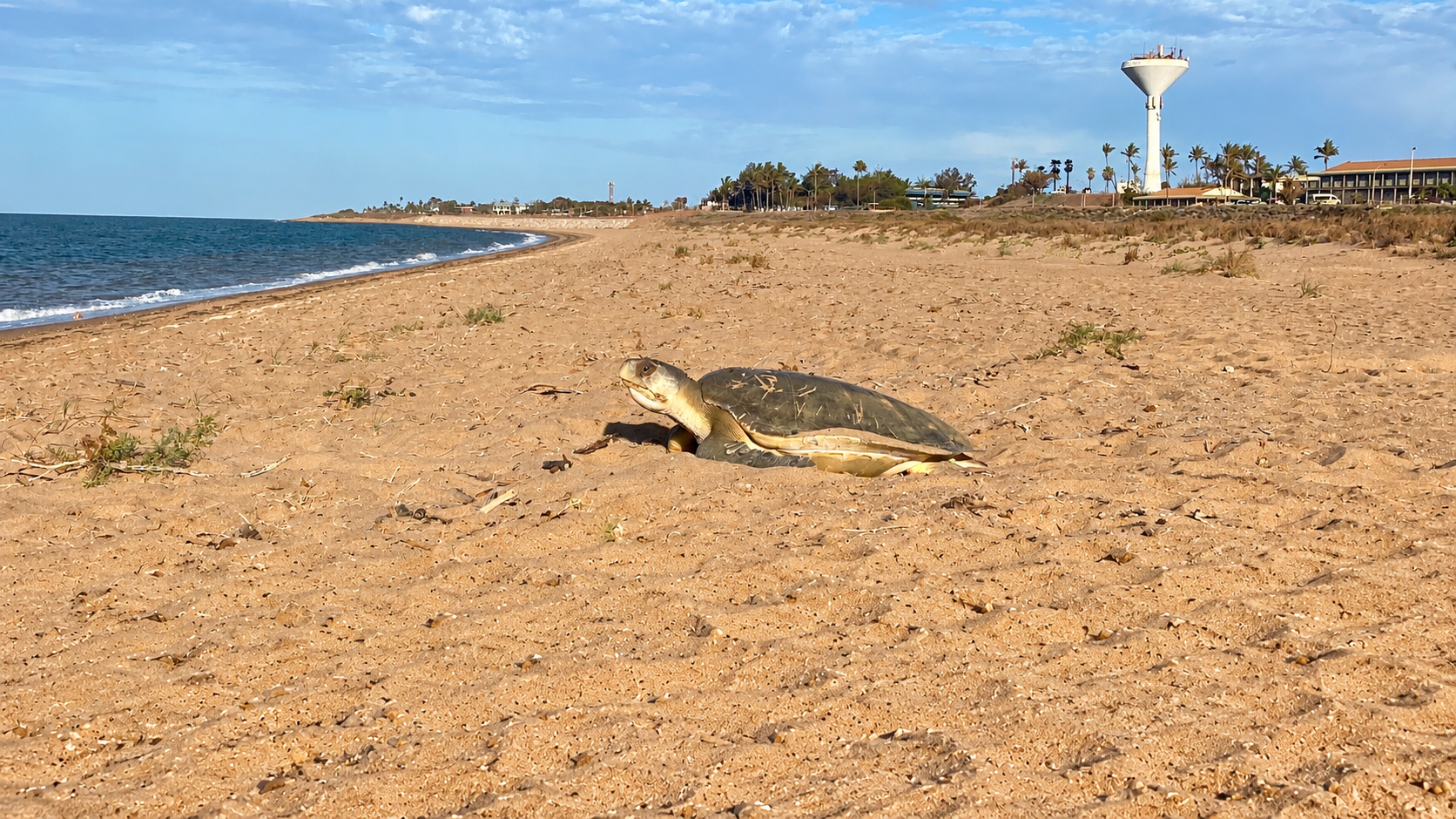
Ancient Connections, Modern Pressures: Protecting Port Hedland's Flatback Turtles
A Conservation Story Built by Community
Every nesting season, flatback turtles return to the beaches of Port Hedland, following ancient instincts that have guided them for thousands of years.
Their nesting grounds, however, sit alongside one of the most industrialised coastlines in Australia. Cemetery Beach, Spoilbank Beach and Pretty Pool Beach are bordered by Australia's largest bulk export port. Yet over the past two decades, local volunteers have built one of the richest datasets for flatback turtles anywhere in Australia.
Now in its 23rd year, the Hedland Community Volunteer Turtle Monitoring Program has shown how a small regional community can deliver world-class marine turtle conservation.
The program has been driven not by scientists alone, but by local people, families, school groups, businesses, Traditional Owners, and residents who care deeply about the flatback turtles that have nested on these beaches for thousands of years.
Since the 2004-05 season, Care For Hedland has monitored flatback turtle nesting at Cemetery Beach annually, generating one of the longest-running datasets for this species at an industrialised mainland rookery.
Every season, more than 150 volunteers contribute close to 2,000 hours walking beaches before sunrise, tagging turtles, recording tracks, excavating nests, guiding visitors, and collecting data that informs real conservation decisions. This level of community commitment is rare anywhere in the world.
"What makes Port Hedland's marine turtle conservation work truly special is the extraordinary power of community."
Turning Data Into Action
The success of the Hedland Community Volunteer Turtle Monitoring Program is measured not only in the data collected, but in the conservation outcomes it has helped achieve.
One of the program's most significant discoveries was at Pretty Pool, where volunteers uncovered that 100% of nests were succumbing to fox predation before intervention. This finding helped drive targeted fox-control measures and resulted in eight consecutive years of zero nest losses.
Community-generated evidence has also led to streetlights being switched off during nesting season, turtle-friendly red light bollards being installed, seawall designs being modified to protect habitat, and dredging schedules being adjusted to avoid peak nesting periods.
These achievements demonstrate how community-driven stewardship can deliver real conservation outcomes, even in a heavily industrialised landscape.
Learning From More Than Two Decades of Monitoring
The Hedland Community Volunteer Turtle Monitoring Program's scientific impact is equally significant.
Long-term monitoring has provided valuable insights into flatback turtle abundance, survivorship, recruitment, and nesting trends. Cemetery Beach supports an estimated 355 breeding females with high adult survivorship and one of the shortest remigration intervals recorded for flatback turtles.
At the same time, the program's long-term dataset has revealed early warning signs, including a decline in recruitment and persistently low hatching success. These findings are helping guide new climate-resilience initiatives, including Western Australia's first sand-cooling trial commencing in 2026.
What makes this work special is not just the science, but the community spirit and passion behind it: a town that refuses to let industrial pressures or climate change erase an ancient species.
Port Hedland's story demonstrates that community-driven, place-based stewardship can safeguard a vulnerable species, even in a heavily industrialised landscape. It is a model of inclusive, data-driven conservation that shows how local people can protect an ancient lineage of turtles for generations to come.
A Coastline in Transition
Over the past two decades, Port Hedland's turtle nesting beaches have changed dramatically, shaped by the dynamic forces of climate, coastal processes, and urban development.
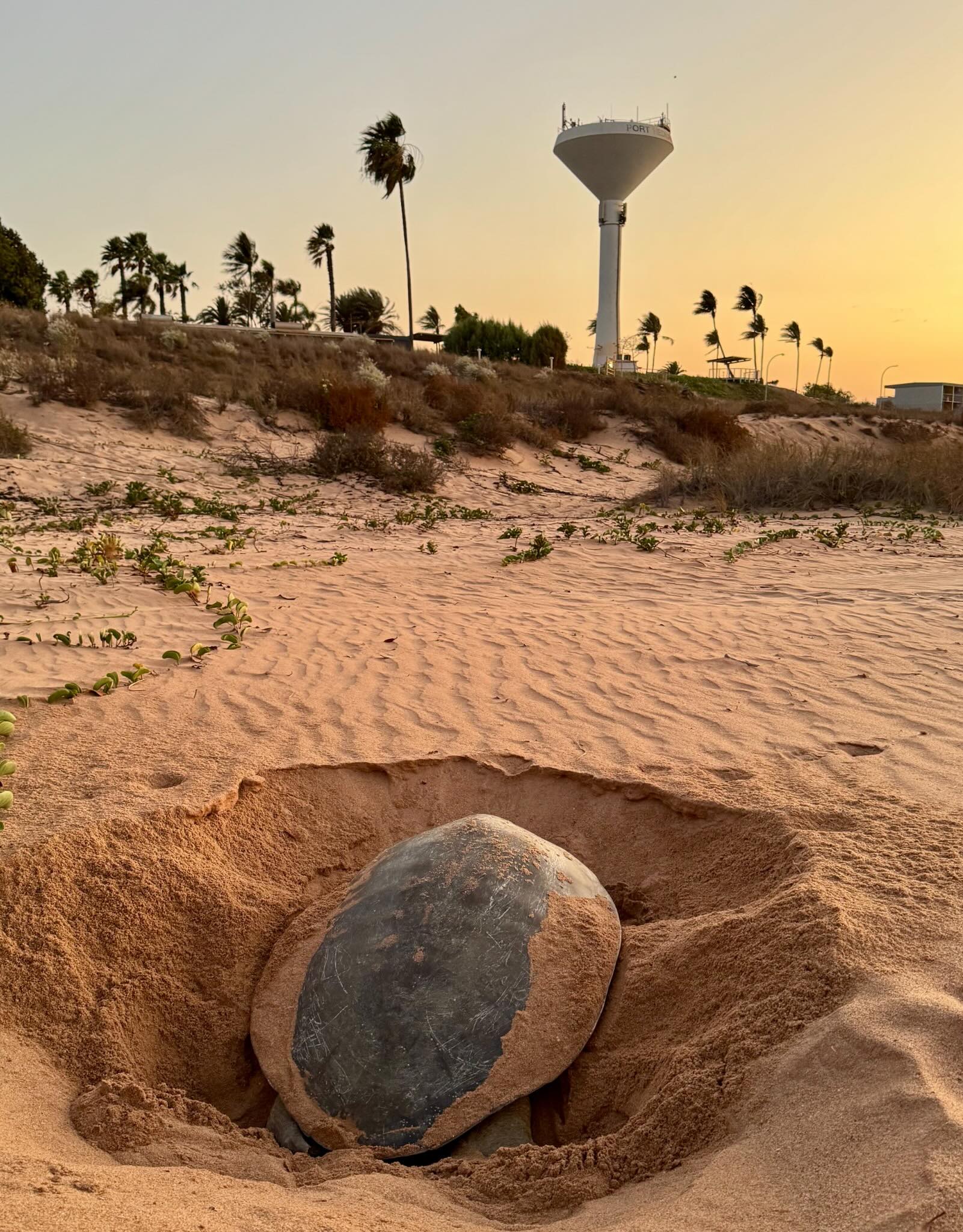
Cyclonic events, particularly Tropical Cyclone Veronica in March 2019, reshaped entire sections of the coastline, scouring sand, flattening dunes, and altering nest-site availability. At Pretty Pool, erosion has progressively uncovered rocky substrate that was once buried beneath the sand, reducing suitable nesting areas and creating barriers to incoming nesting turtles.
Human-driven change has also been significant. The construction of the 430-metre Sutherland Street Sea Wall in 2022 altered the eastern section of Cemetery Beach and, together with the lasting impacts of Cyclone Veronica, triggered a marked eastward shift in nesting activity along the beach.
Despite these pressures, long-term monitoring has allowed the community to adapt. Volunteers have documented erosion patterns, shifting nest clusters, and changes in sand temperature, providing the evidence needed to guide lighting mitigation, habitat protection, and new climate-resilience pilot trials.
Port Hedland's beaches continue to evolve, but so does the community's commitment. These changes highlight why sustained monitoring remains essential and why local stewardship continues to play a vital role in protecting flatback turtles.
Looking to the Future
Over the next 25 years, Care For Hedland hopes marine turtle conservation will be defined by empowered communities, long-term investment, and a network of programs modelled on the success of Port Hedland's volunteer-driven approach.
The vision for the future is one where community stewardship is recognised as essential conservation infrastructure, resourced, supported, and expanded across Western Australia's coastline.
Care For Hedland hopes to see similar programs established at other nesting beaches, supported by increased funding, training, and partnerships that allow communities to take an active role in conservation. The organisation also envisions a future where volunteers are equipped with new technologies, climate-resilience tools, and long-term monitoring frameworks that strengthen local capacity and capability.
Most importantly, it hopes marine turtle conservation becomes a shared responsibility, where governments, industry, Traditional Owners, scientists, and communities work together to protect vulnerable species in a rapidly changing climate.
A Message to Future Turtle Guardians
To the next generation of marine turtle conservationists: never underestimate the power of persistence.
The challenges you will face, climate change, coastal development, and habitat loss, may feel enormous, but every major success begins with one small, determined step. Port Hedland's experience shows that big challenges can be tackled through staged, achievable projects that build toward long-term change.
Remember that local community is your greatest strength. For more than two decades, volunteers have helped protect flatback turtles on Port Hedland's beaches, proving that ordinary people working together can make an extraordinary difference.
Community can do it, and community can make a huge difference.
Keep showing up, keep learning, keep adapting, and keep believing that your efforts matter. Conservation is not about perfection; it is about commitment, courage, resilience, and the willingness to keep going even when the work is hard.
Port Hedland shows how community-driven stewardship can safeguard turtles for the next 12,000 years, just as it has for the last.
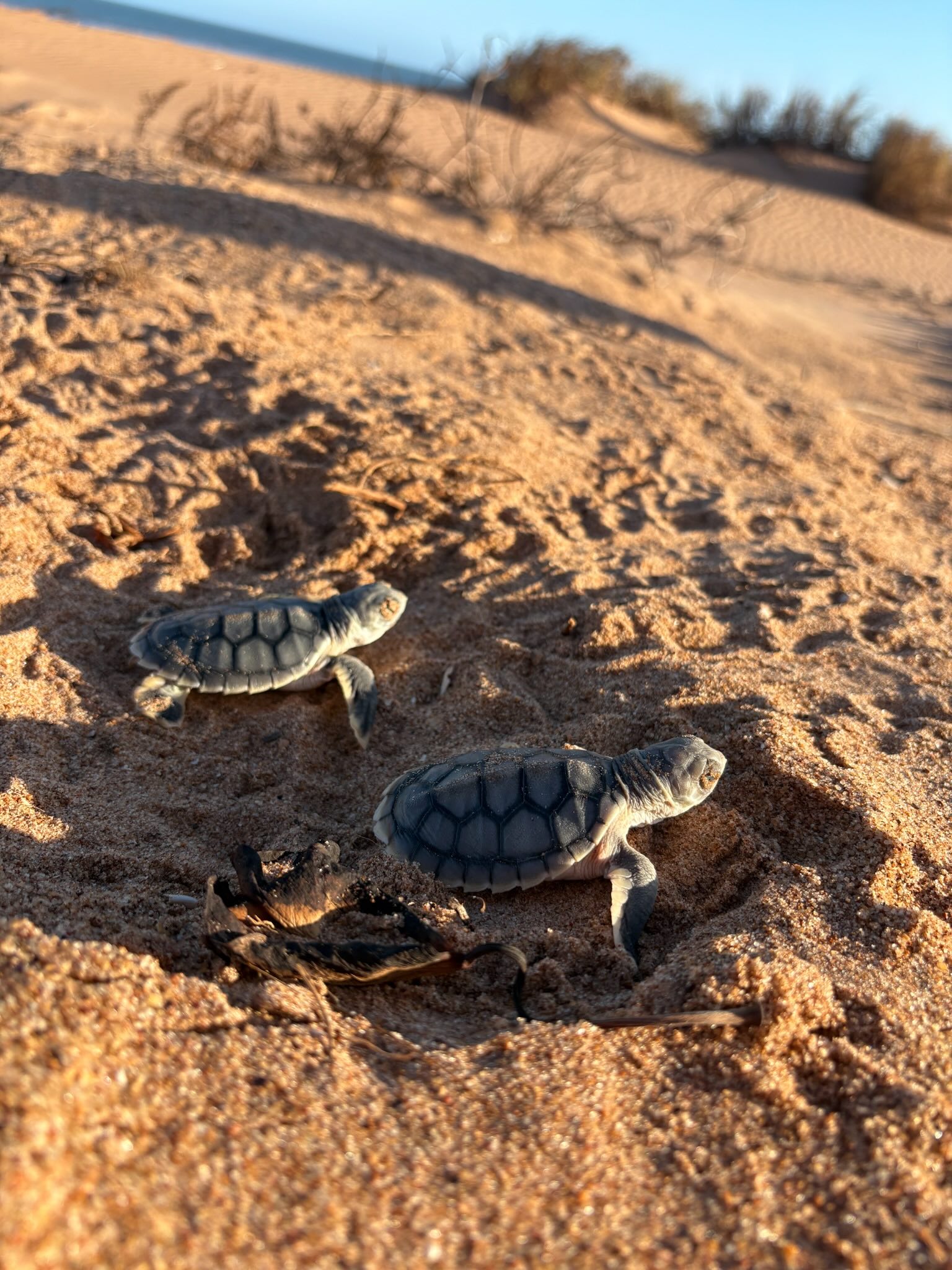
As we celebrate 25 years of the IOSEA Marine Turtle MOU, we showcase some of the people, initiatives and communities that have contributed to marine turtle conservation across the region. Visit our Story Map to discover their stories.