Sea Turtle Training in Sharma, Yemen
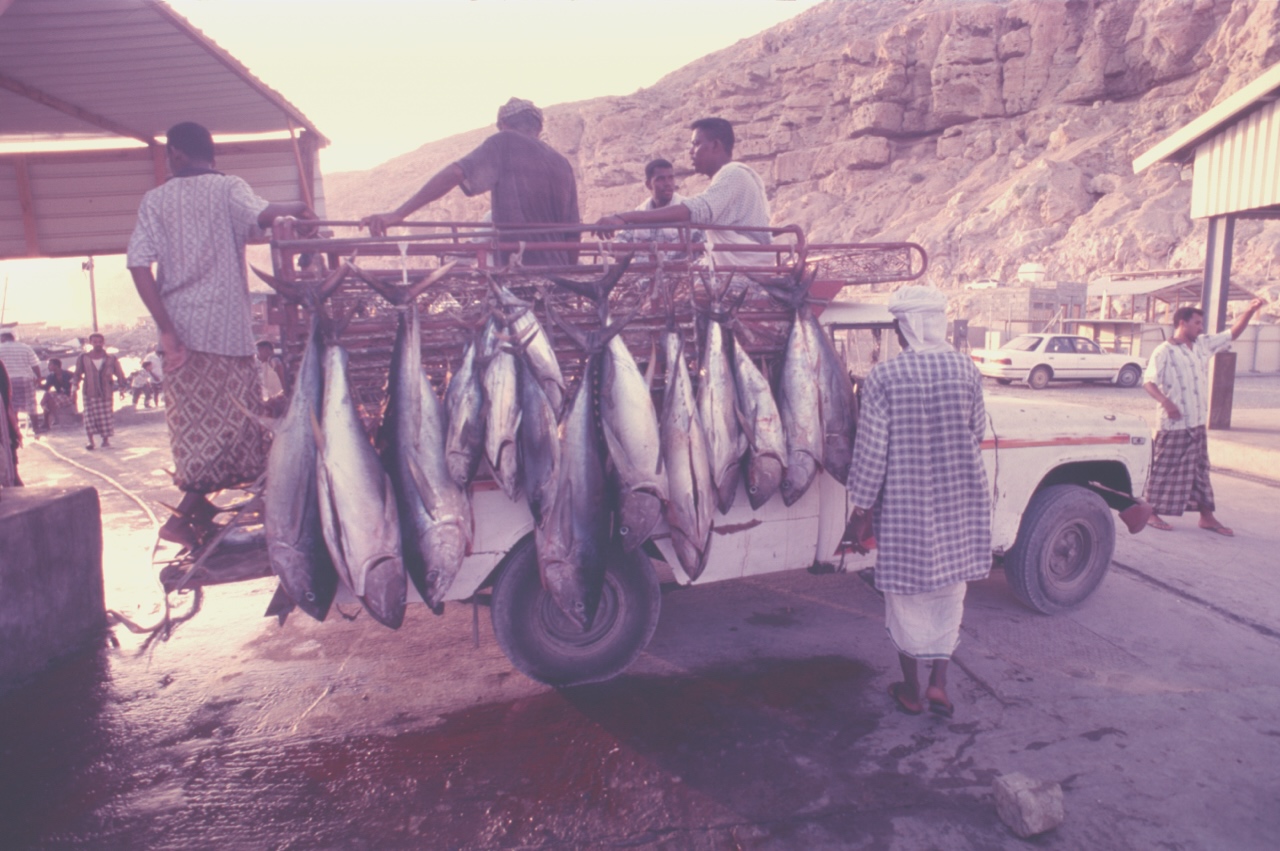
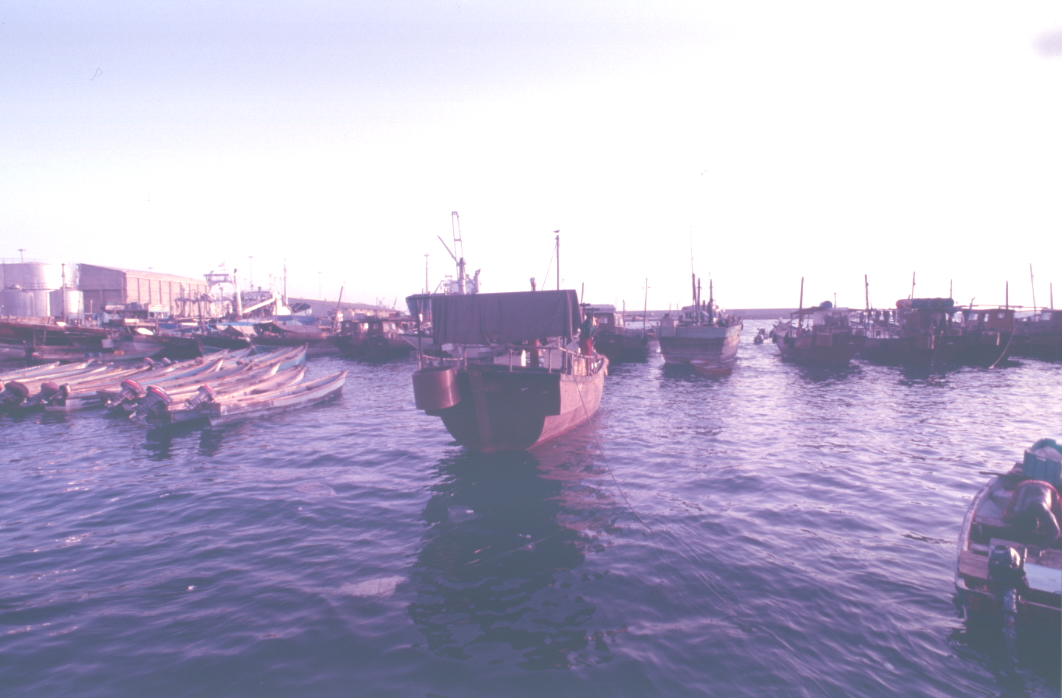
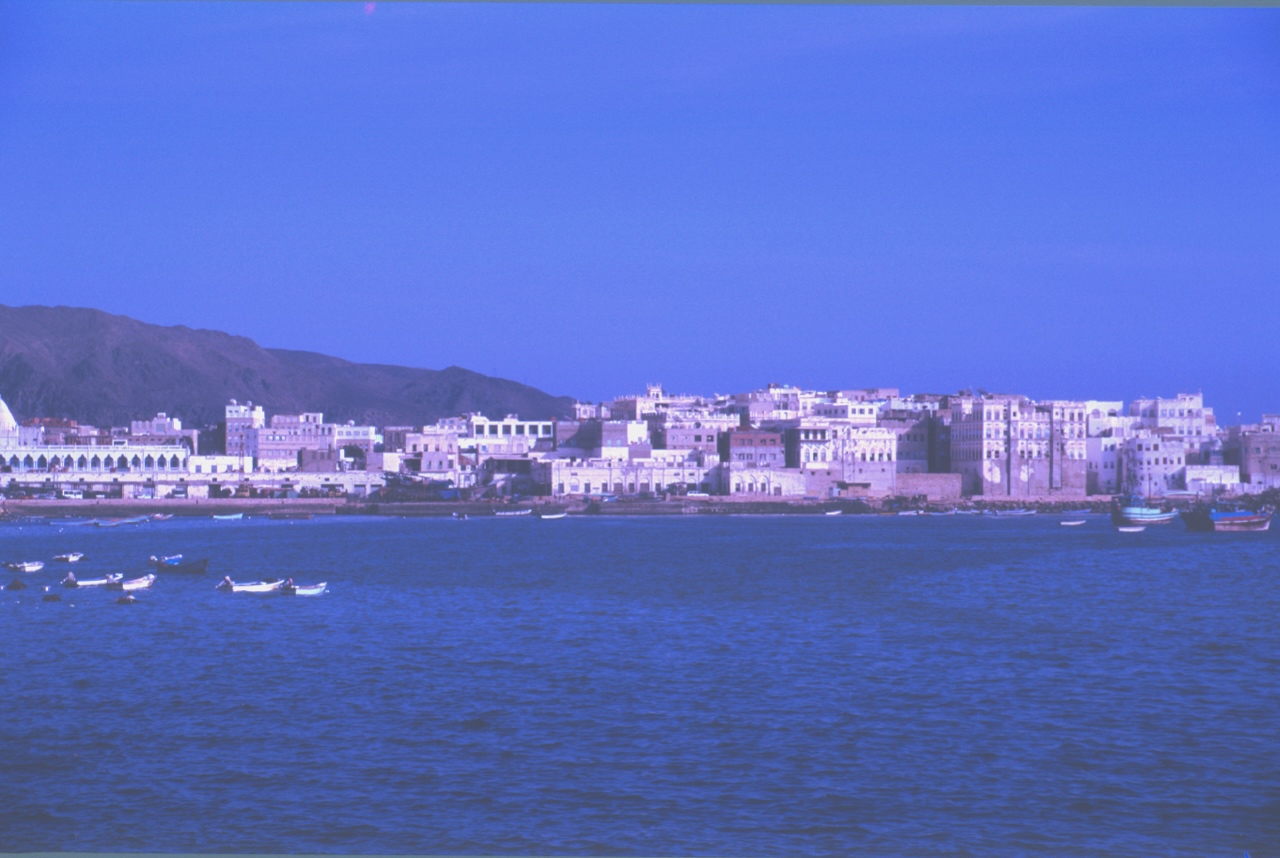
How hard could it be? A short training course on sea turtle biology and ecology in Yemen. Except… the year was 2000, when British passport-holders were in high demand, supposedly kidnapped and traded for ransom depending on which part of the country you visited. ‘Whatever you do, don’t go down to the Hadhramaut,’ I was told. So where was this training course to be held? You guessed it, in the Hadhramaut. Now, for any of you who have not visited this picturesque corner of the Arabian peninsula, all I can say is you have missed out in life. Picture white stucco buildings haphazardly piled on the edge of mountains, defying gravity, small goat and donkey trails meandering amidst. Picture blue turquoise seas as far as the eye can see, and traditional dhows plying their fishing trade. Picture the traditional – I say in jest – tan-coloured Toyota 4x4 pickups with high railings to hang 30 or 40 massive tuna fresh from the docks around three sides of the vehicle. Sand dunes and rocky escarpments intertwined in the plains between the sea and the towering mountains inland. And then make it 45ºC, and the middle of Ramadan, the holy month of fasting, and you have the perfect setting.
I had been contracted by PERSGA, the Regional Organisation for the Protection of the Red Sea and the Gulf of Aden, to run a course for delegates from across the region – Somalia, Sudan, Egypt, Jordan, Saudi Arabia and, of course, Yemen. My good friend Abdullah Suheibani had set this all up from the PERSGA Secretariat, and met me on arrival in Yemen. And to make it even more friendly, one of the Yemen delegates was my good friend Abdullah Saad, with whom I spent two months criss-crossing the Socotra islands a year earlier. And from Saudi Arabia there was also Anas Sambas, with whom I had worked in Saudi Arabia in the late 1980s. Some new friends, and some older ones, with whom to spend the next ten days.
It was highly official – police escorts and all, given the formal international nature of the event. But I also had some more personal protection, in the form of two members of a local Bedouin clan, clad as they were in their bandoliers of ammunition, AK-47 at the shoulder, traditional jambiyah (curved blade in an ornate sheath) worn at the waist, and a suite of other weapons only they could list. Arrival at the hotel was always interesting, with its ‘Please Deposit all Weapons at Reception’ sign behind the check-in desk. At times it seemed like there was enough to start our own skirmish right there in the hotel lobby! My personal bodyguards were the epitome of Arabian honour, commitment and promise. I had met them a month earlier in Ras Al Khaimah, United Arab Emirates, whereupon I expressed my slight trepidation at visiting the Hadramaut for the training. ‘Fear not, my brother, my family and I will personally look after you during your stay’. And in Bedouin life, commitments, trust, and loyalty are not just personal choices; they are a culture shaped by the reality of desert life, nomadic lifestyles and the daily rhythms of Arabian traditions. For millennia, they have developed a culture of extraordinary resilience, hospitality, and poetic beauty. A commitment made by a family member is a commitment shared by the entire family, so uncles and cousins and brothers took turns watching over me.
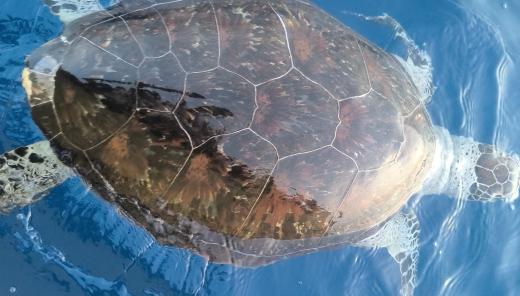
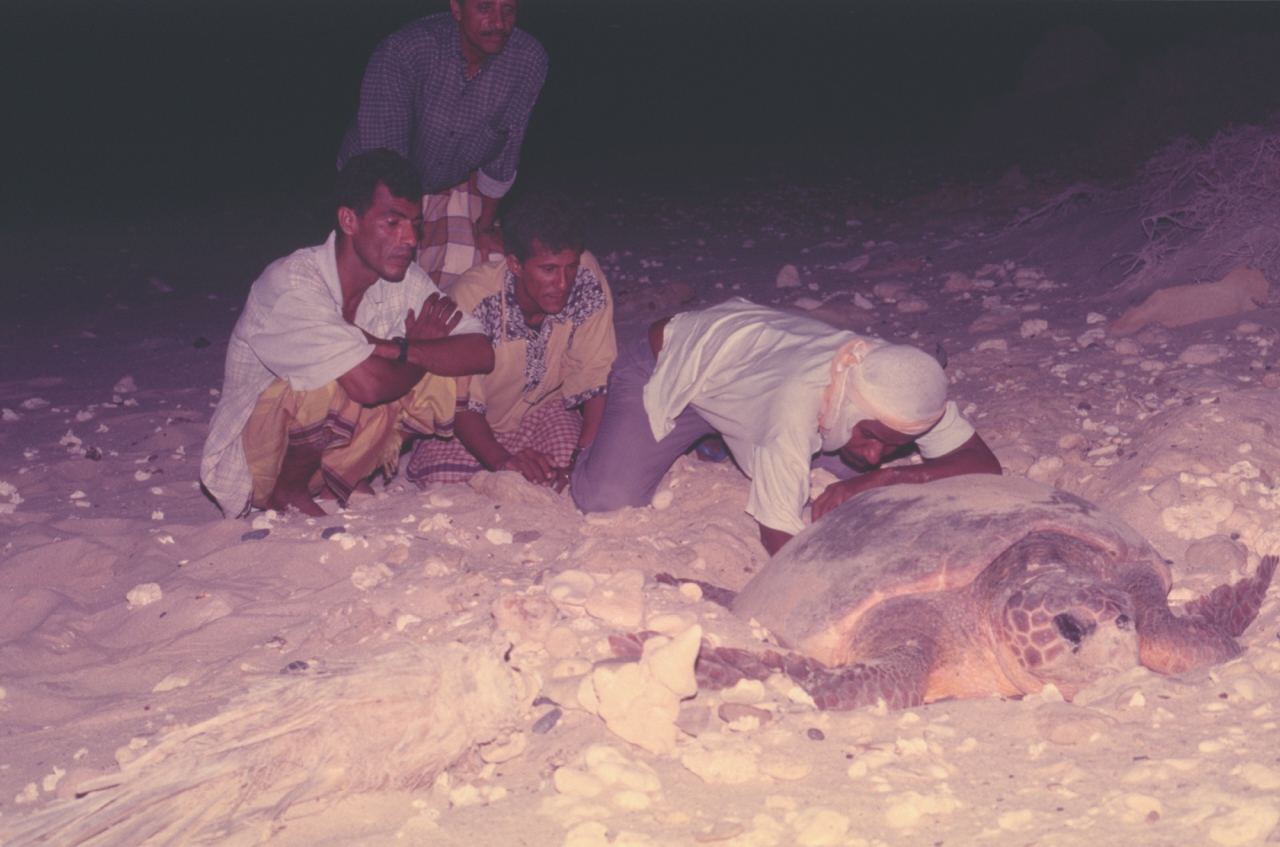
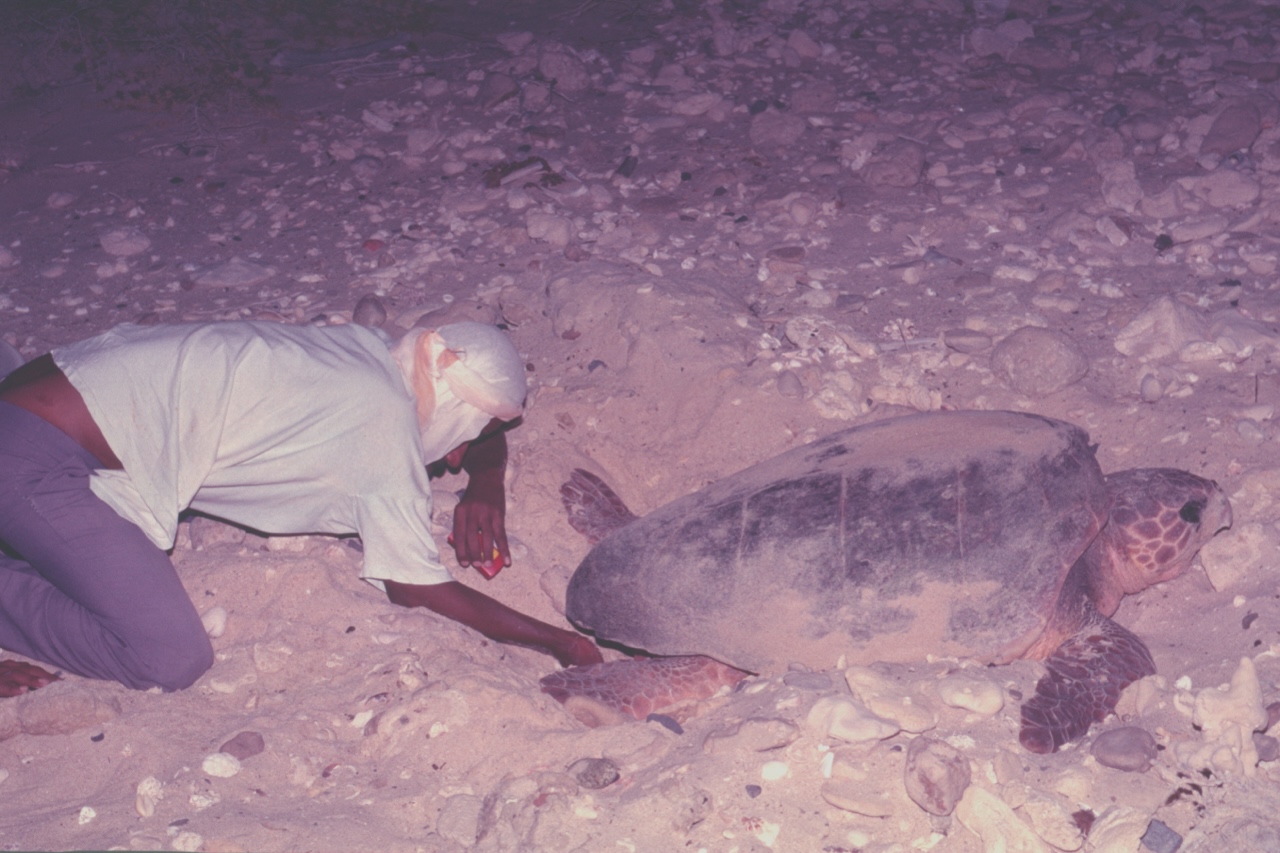
Given it was Ramadan, the organisers decided we would be better off staying at a hotel on the outskirts of Al Mukallah, the (then) stepping-off point to go to the Socotra islands (which will be the subject of another story at some point), while the turtle nesting beaches were some 100 km to the east in the Sharma-Jathmun Protected Area, a major nesting and mating habitat for endangered green turtles and critically endangered hawksbill turtles. Also due to Ramadan, timing was key. I had to provide several hours of theoretical learning each day, with a break for an afternoon rest. Six countries. Six languages. One translator. You can imagine the ensuing language chaos… In the evening we had to allow time to break the fast, then do a dash across the desert to the beaches for some practical biology lessons, a break for the main meal, followed by more beach patrols, and a very late return to the hotel. All of this by a convoy of ten to twelve vehicles, police escort, my personal BPF (Bedouin Protection Force) and a catering truck.
And the convoy trips were, to say the least, hair-raising. The driver in my vehicle was permanently sleepy, and we would swerve from side to side, while doing 100km/h down narrow bumpy roads. Several times we side-swiped oncoming traffic, even lost a wing mirror, and a head-on collision was just a matter of time. Finally, I put my foot down and got the car to stop, whereupon I got out and in no uncertain (not-so-entitled white person) terms made it clear I was not getting back in. My Bedouin friends argued with the police escort who argued with the lead organisers, and eventually the young driver was replaced. I had seen my turtle life flash by my eyes one too many times…
On the beach things got a bit chaotic with challenges in language and also because none of the local community who hunted turtles had been told that a group of turtle-hugging conservation fanatics would be descending on their land. There we were trying to measure a turtle one moment while a villager waited with a machete nearby to do their own ‘biological studies’. Luckily our Yemen counterparts managed to get this to be put on hold temporarily while the course was ongoing, but it was a stark reminder of the realities of community use of turtles and conservation-minded biologists.
From language barriers to personal safety to turtles being hunted at one end of the beach while we did our learning at the other, the trip was fraught with challenges. But it was also a week of intense camaraderie, where new friendships were born and older ones reignited. The passion of the Arabian peninsula and its people is nearly impossible to bring to life in mere words, but I did return home safe, and my BPF was always at my side. Those friendships endure to this very day, and when we reunite out come the tallest tales of them all. How hard could it be, really, to run a short training course in Yemen?
By Nicolas Pilcher
As we celebrate 25 years of the IOSEA Marine Turtle MOU, we showcase some of the people, initiatives and communities that have contributed to marine turtle conservation across the region. Visit our Story Map to discover their stories.