Seasonal Protected Areas: A Smart Solution for Seychelles Sea Turtles
Long before conservation had a name, sea turtles were already returning to Seychelles. Generation after generation, they came back to the same beaches where they themselves once hatched. Today, Seychelles is home to one of the five largest regional populations of hawksbill turtles in the world, and one of the largest remaining in the region. Since the end of historical exploitation, these turtles have shown remarkable resilience. Yet they continue to face numerous threats that jeopardise their long-term survival. For more than two decades, the Marine Conservation Society Seychelles (MCSS) has been following their journey.
A Life Between Ocean and Land
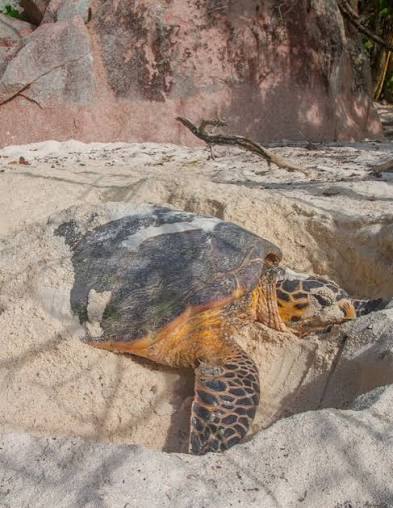
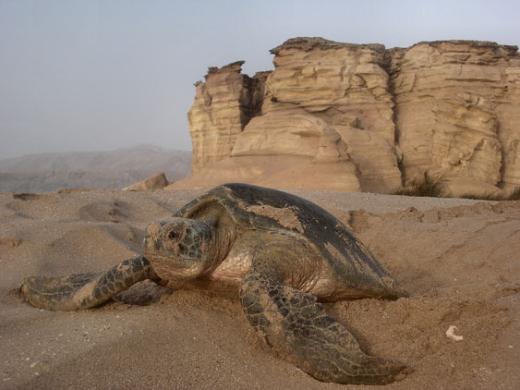
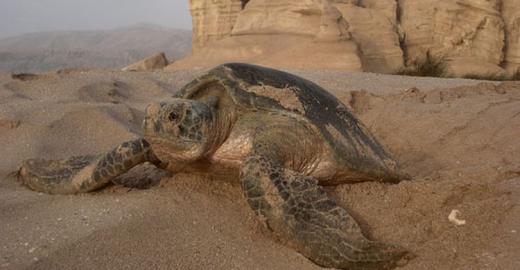
Female sea turtles spend almost their entire lives at sea, returning to land only to lay their eggs. After reaching sexual maturity, often after 25 to 40 years, they migrate back to the beaches where they were born to nest. During the nesting season, a female may lay several clutches of eggs, carefully selecting undisturbed beaches above the high tide line. It is a remarkable reproductive strategy, built around epic migratory journeys.
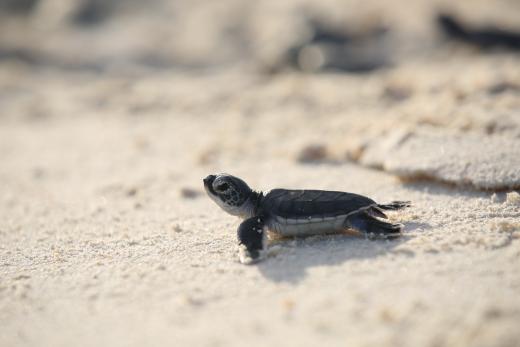
But this remarkable strategy also makes turtles exceptionally vulnerable. Nesting females can be easily disturbed by human activity, artificial lighting, unleashed dogs, recreational activities, and coastal development. Disturbance can cause females to abandon nesting attempts, expend valuable energy, or choose less suitable nesting sites. Their eggs and hatchlings face additional threats from predation, erosion, trampling, and habitat degradation.
For species that reproduce slowly and require decades to reach maturity, even small reductions in breeding success can have significant long-term impacts on population recovery. And on Mahé, where 90% of Seychelles’ population resides, this problem is particularly acute.
Twenty Years of Watching
Since 2004, MCSS has monitored fourteen key nesting beaches across southern Mahé, building one of the longest continuous sea turtle datasets in the Western Indian Ocean. These surveys have followed the turtles year after year, revealing patterns that would be difficult to see through short-term monitoring alone. Over more than two decades, this long-term data has allowed MCSS to identify beaches of exceptional conservation importance and to understand population trends that would not be apparent otherwise.
All species of sea turtle that may be found in Seychelles’ territorial waters are protected throughout the country, and national regulations prohibit all disturbance to, harm of, killing, removal, or possession of any turtle or turtle egg. Yet after twenty years of monitoring, a different picture has emerged. Across southern Mahé, hawksbill turtle nesting has declined, with annual nesting activity falling by approximately 31% between 2004 and 2024. The decline highlights the need for enhanced protection of important nesting habitats.
The causes of this decline are likely to be complex, including the cumulative impacts of poaching, habitat disturbance, coastal development, climate change, and pressures encountered by turtles throughout their migratory range. Together, these findings demonstrate the value of long-term monitoring in informing conservation policy and ensuring that management decisions are based on robust scientific evidence.
A Targeted Response
To address these challenges, Seychelles has introduced Seasonal Protected Areas (SPAs), an innovative conservation approach designed to protect critical nesting beaches during the periods when turtles are most vulnerable.
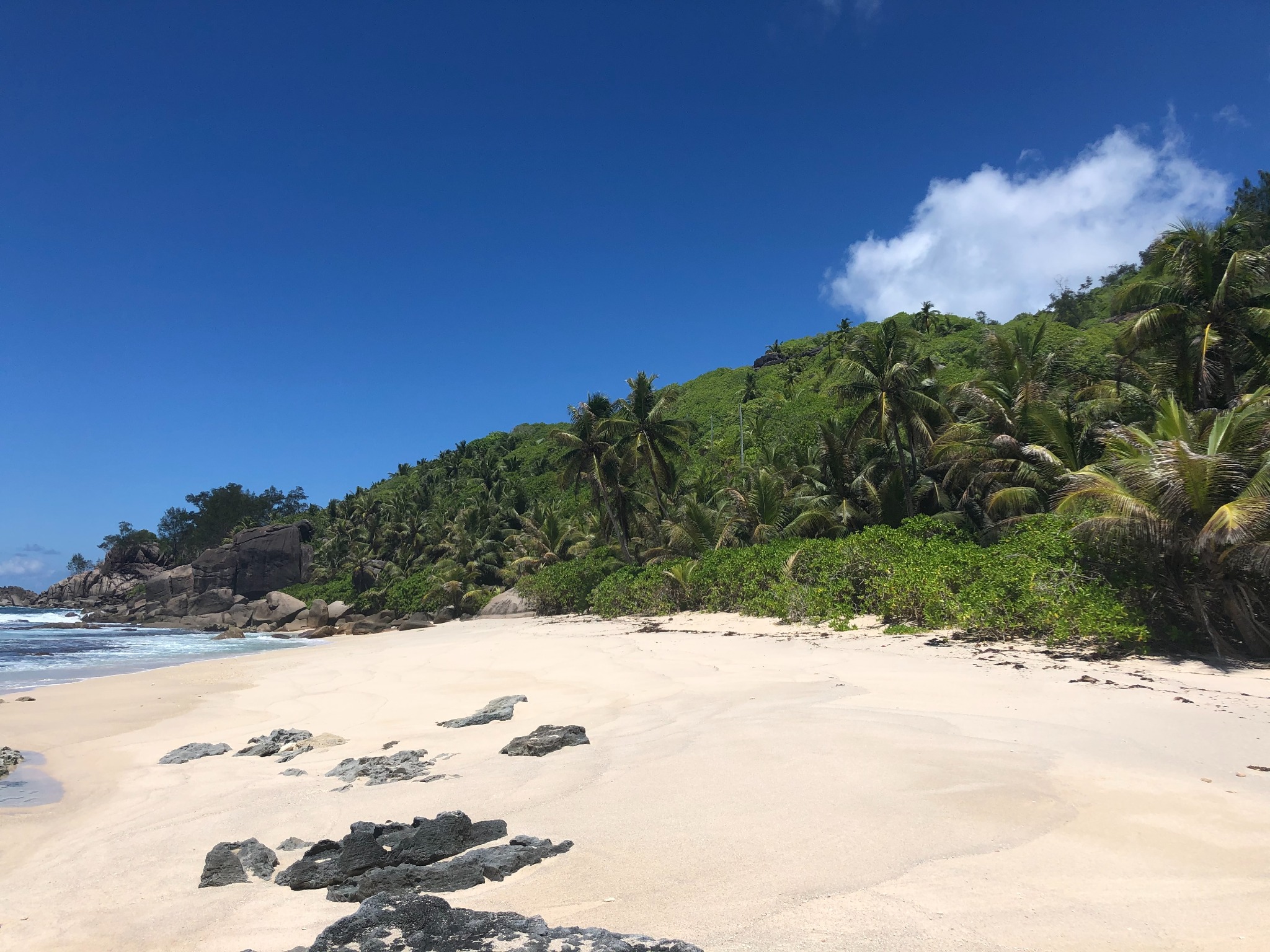
The concept of SPAs recognises that many of the pressures affecting nesting turtles occur only during the breeding season. Rather than imposing permanent restrictions on beach use throughout the year, SPAs provide enhanced protection only during the months when turtles are nesting and hatchlings are emerging. By focusing protection where and when it is most needed, this targeted approach allows conservation objectives to be achieved while minimising disruption to recreational users, tourism operators, and local communities.
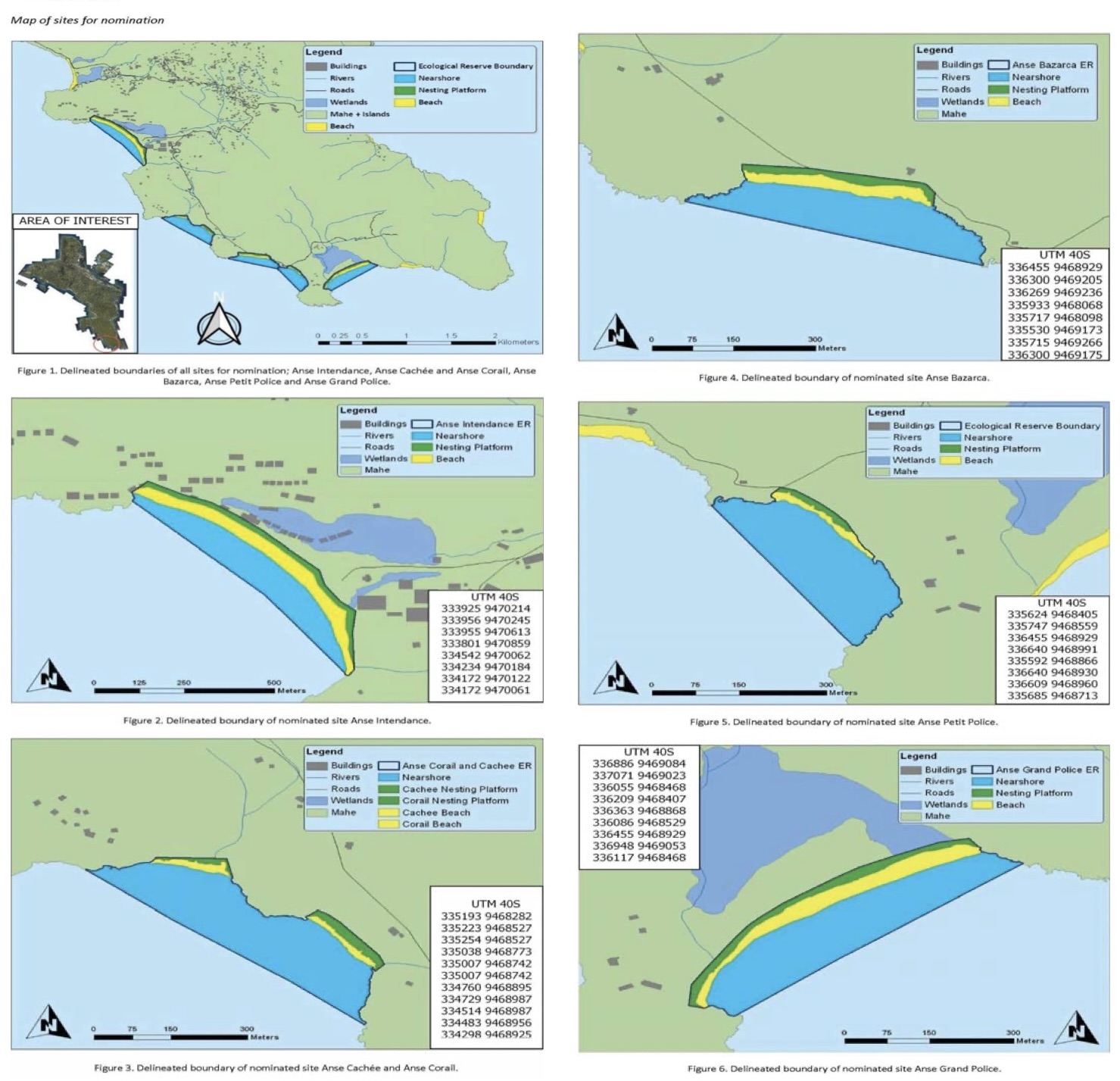
Location of the Seasonal Protected Areas (© MCSS)
This seasonal protection is particularly important for day-time nesting hawksbills, which face disturbances that night-time nesting turtles, such as Green turtles, do not. These SPAs therefore provide additional protection for Critically Endangered hawksbill turtles at a critical life stage when they are most vulnerable to the disturbances associated with their nesting habitat.
The SPAs apply appropriate restrictions and management measures to minimise disturbance to nesting turtles, reduce poaching, and maintain the ecological characteristics of the habitat, while avoiding unnecessary restrictions on public use and access outside the nesting season. Visitors are encouraged to enjoy these beaches responsibly by maintaining a respectful distance from nesting turtles, avoiding bright lights at night, keeping noise to a minimum, and ensuring that dogs are kept under effective control where permitted.
Importantly, the SPA approach does not seek to exclude people from enjoying Seychelles’ beaches. Instead, it promotes coexistence by encouraging responsible behaviour during the period each year when nesting turtles require additional protection. In this way, the beaches can continue to serve the people who enjoy them, while also giving returning turtles the space they need to nest successfully.
Making Conservation Work
Conservation success ultimately depends on public support. Local communities, tourism operators, schools, government agencies, researchers, and non-governmental organisations all have important roles to play in protecting nesting turtles. Education and awareness programmes help visitors and residents understand why temporary restrictions are necessary and how simple behavioural changes can significantly improve nesting success.
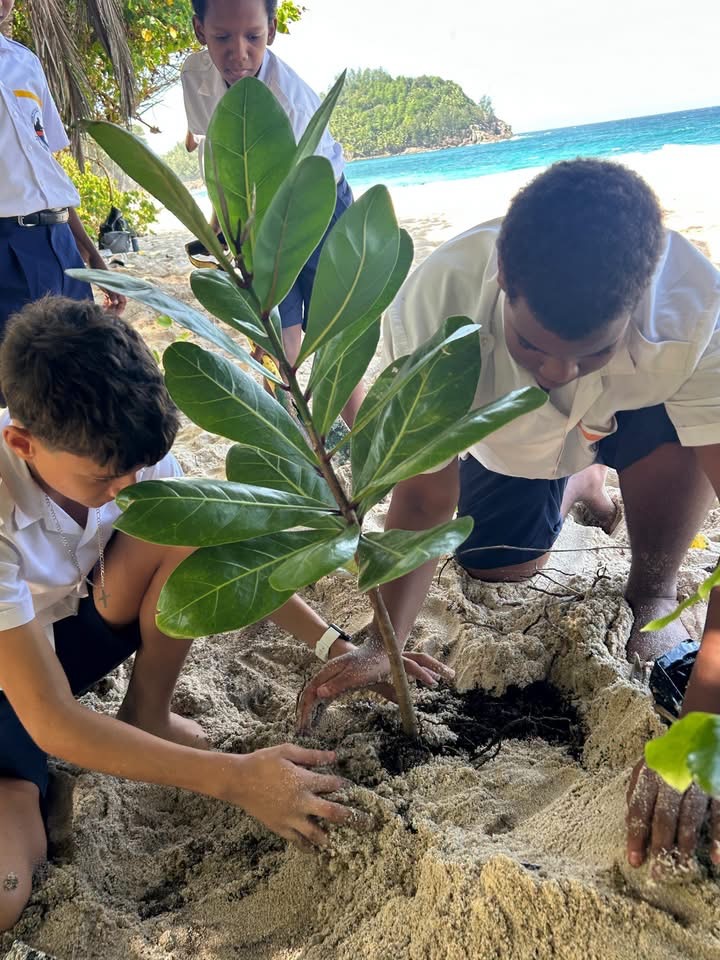
Community beach rehabilitation activity at Anse Bazarca (© MCSS)
The SPAs will be managed by MCSS under a co-management agreement with the Seychelles Ministry of Environment and will seek to involve a variety of local stakeholders. In this way, the protection of these beaches becomes a shared responsibility. The SPAs represent an important milestone in the conservation of Seychelles’ marine biodiversity, demonstrating how long-term scientific research can be translated into practical management actions that protect wildlife while recognising the needs of local communities and the tourism industry.
As climate change, coastal development, and increasing human activity continue to place pressure on marine ecosystems, adaptive management approaches such as SPAs will become increasingly important. Their success will depend not only on legislation and enforcement, but also on public awareness, stakeholder collaboration, and sustained scientific monitoring.
By safeguarding critical nesting habitats during the most sensitive periods of the turtles’ life cycle, Seychelles is demonstrating that effective conservation can be both science-driven and practical. The SPAs provide a model for balancing biodiversity conservation with sustainable development, helping to ensure that one of the country’s most iconic marine species continues to thrive for generations to come.
By Christophe Mason-Parker (Marine Conservation Society Seychelles)
As we celebrate 25 years of the IOSEA Marine Turtle MOU, we showcase some of the people, initiatives and communities that have contributed to marine turtle conservation across the region. Visit our Story Map to discover their stories.