India Presents Report on Conservation Initiatives since CMS COP13
Bonn, 24 February 2021 – The Government of India, in its capacity as CMS COP President, has produced a report detailing conservation initiatives for many species listed on the CMS Appendices including those added during COP13 in Gandhinagar, India.
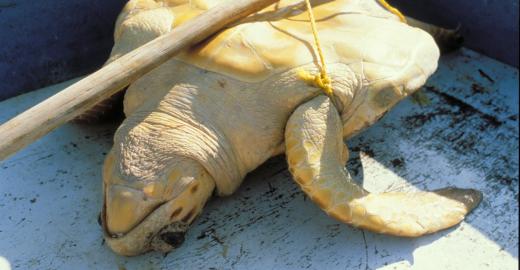
Marine species are among those that benefit from new conservation measures. Being a signatory of the IOSEA Marine Turtles MOU, the government has launched a ‘National Marine Turtle Action Plan (2021-2026)’ to take effective measures for the conservation of marine turtles.
Stranding of whales and dolphins is a widespread phenomenon that requires urgent attention. New Marine Megafauna Stranding Guidelines provide guidance to handle stranding situations and eventually reduce mortality of these species.
The Endangered Ganges River Dolphin (Platanista gangetica) is benefitting from a Concerted Action adopted at COP13. The recently launched ‘Project Dolphin’ aims to strengthen the conservation of both riverine and marine dolphins. According to the report, Government bodies and fishermen will be involved in the project and local communities will also participate.
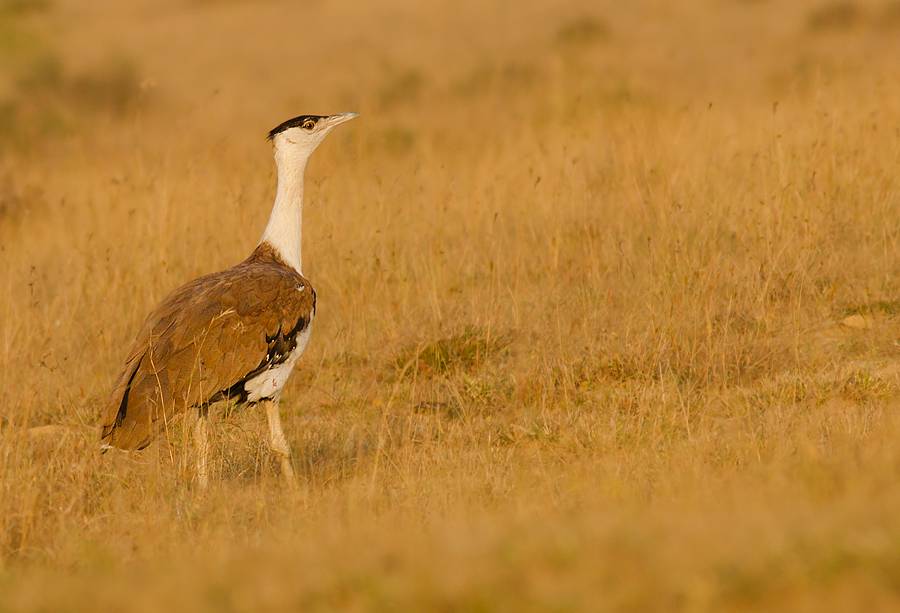
A flagship species, the Critically Endangered Great Indian Bustard (Ardeotis nigriceps) has disappeared from 90 per cent of its historic range. Over the last year, the Indian Government has taken steps to reduce the number of birds injured and killed in collisions with power lines. Captive breeding to increase the bird’s numbers has produced first results.
India is also taking concrete steps to conserve other migratory bird species, including vultures, and Amur and Saker Falcons (Falco amurensis and F. cherrug).
Ecological connectivity is essential for the functioning of animal migrations. Eco-Friendly Measures For Linear Infrastructure Projects will facilitate movements of migratory wildlife and enhance their resilience and genetic diversity.
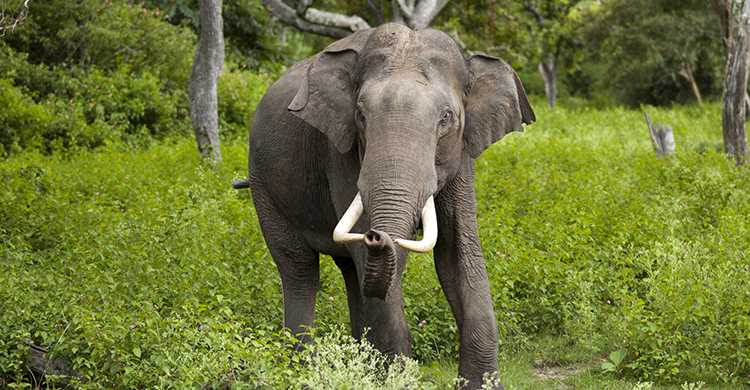
The Asian Elephant (Elephas maximus indicus), which has been accorded ‘National Heritage Animal’ status in India, is the focus of transboundary conservation efforts. This Appendix I-listed species faces threats resulting from human-animal conflict. India and Bangladesh have agreed to ensure safety for both animals and humans through early warning systems.
India has made progress in conserving the Snow Leopard (Uncia uncia) through the Global Snow Leopard and Ecosystem Protection Program (GSLEP). A Community Volunteer Programme aims to involve young people and women in wildlife conservation and in the sustainable use of biological resources of high-altitude ecosystems.
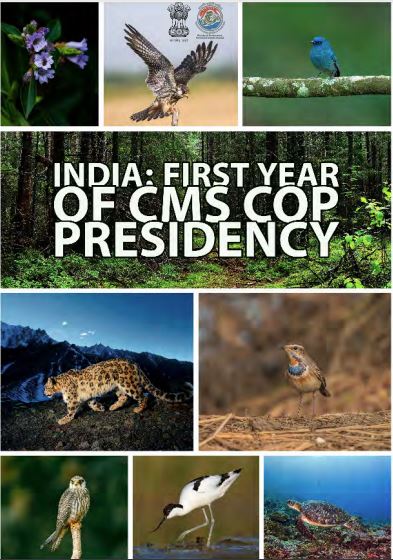
Further Resources:
| Attachment | Size |
|---|---|
| India_CMS Year 1.pdf | 9.57 MB |