Sea Turtle Protection Starts with Understanding More About the People who Take and Use Turtles
by Adela Hemelikova ([email protected]), Petr Chajma, Teuku Reza Ferasyi, Awaluddin, Nur Fadli, Widya Sari, Christine Madden, Kimberly Riskas, and Jiri Vojar
A new peer-reviewed study published in the journal People and Nature sheds light on the complex cultural, religious, and sociodemographic factors influencing illegal sea turtle take and use in Indonesia - one of the world’s most important, yet threatened, sea turtle habitats.
Indonesian law protects sea turtles, yet they are still exploited in many places. This includes capturing whole turtles or taking their eggs (turtle take) for subsistence, medicinal, cultural or religious traditions, and trade (turtle use). We wanted to understand why this continues despite the law, and what could be done to reduce it.
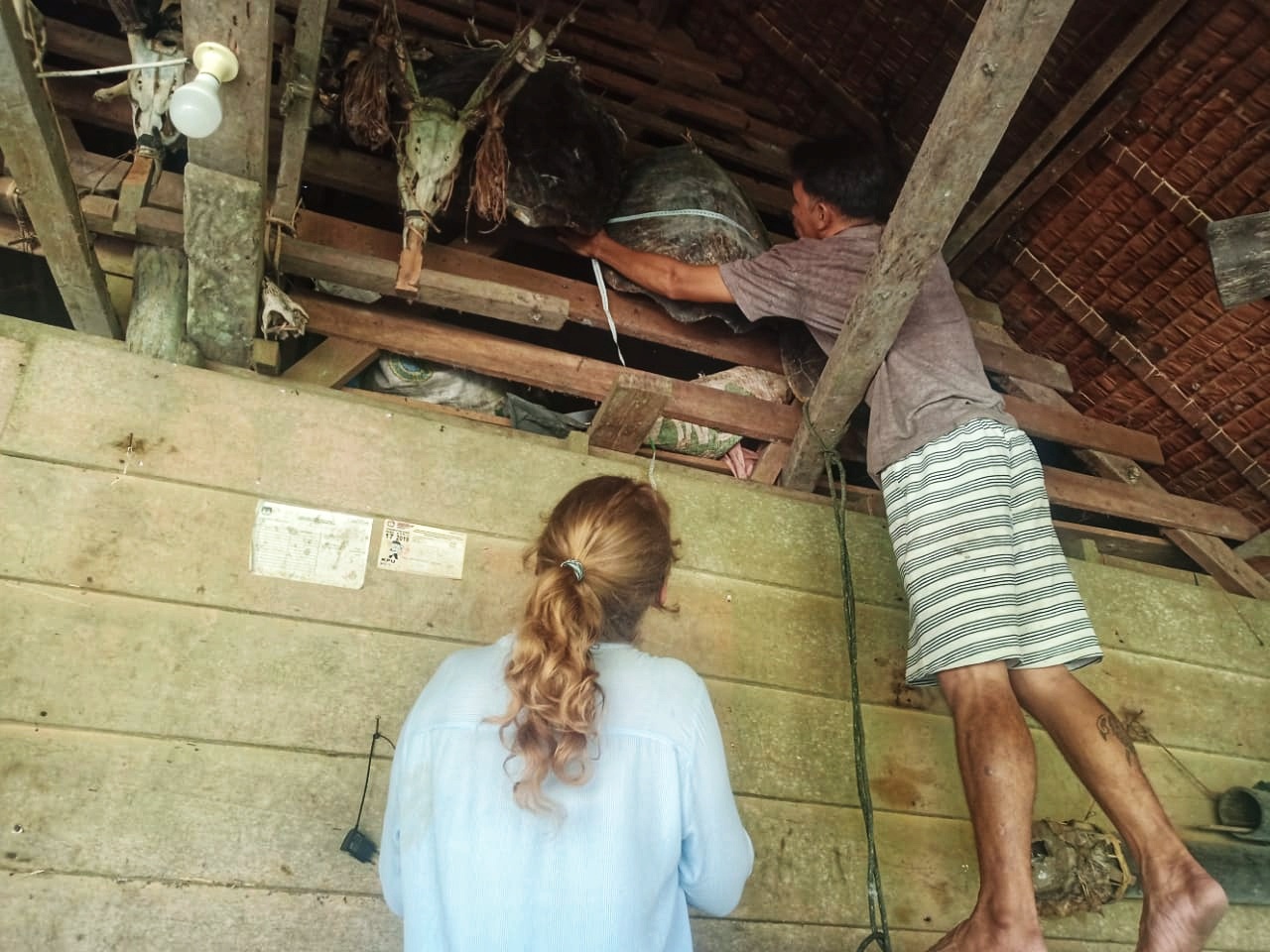
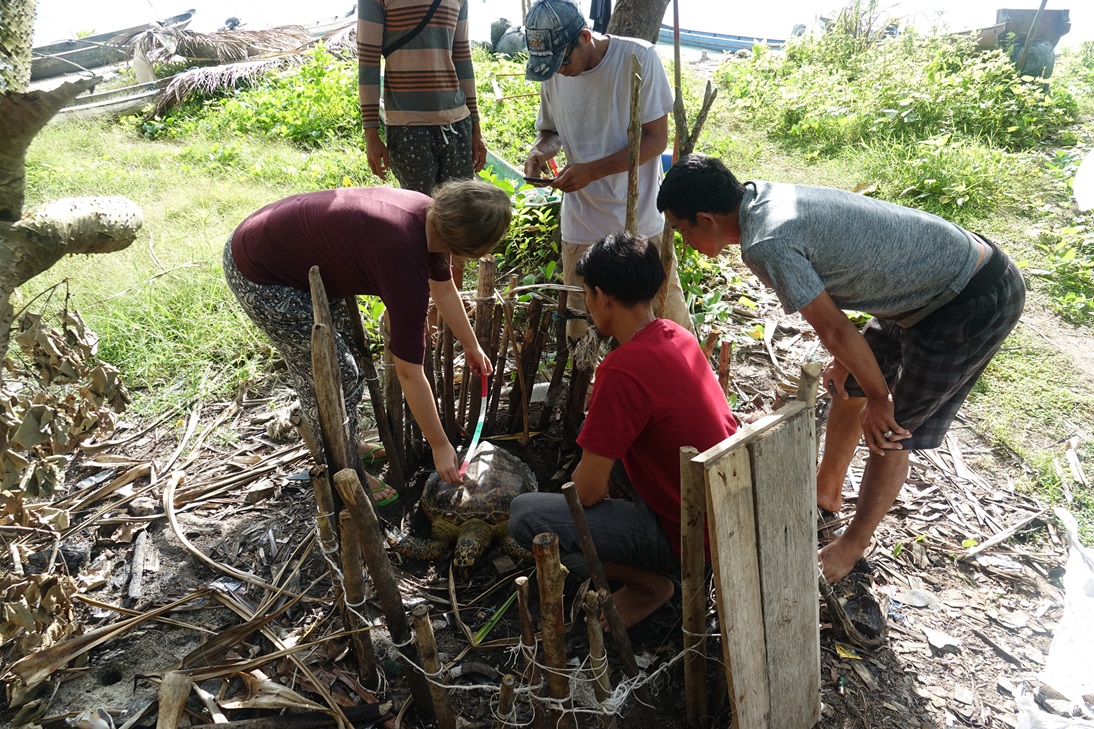
To find out, we interviewed 140 people across three sites in Sumatra: Padang, Mentawai, and Nias. We asked about their age, education, religion, and jobs, as well as whether and how they take and use turtles. This included whether they capture whole turtles or take eggs, which turtle parts they use (eggs, meat and by-products, shell), and for what purposes. Our goal was to understand how personal background, culture, religion, and local beliefs influence sea turtle exploitation.
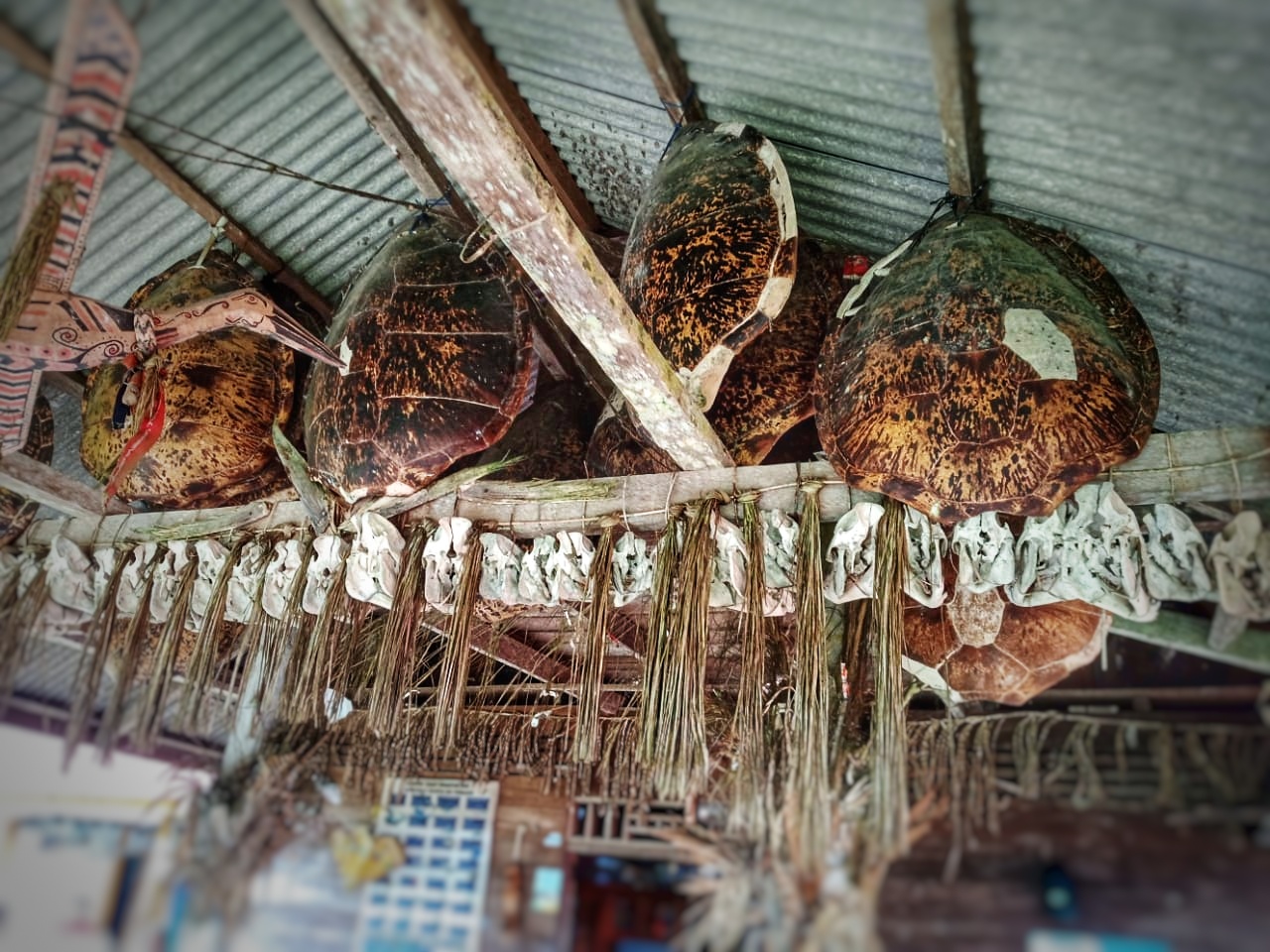
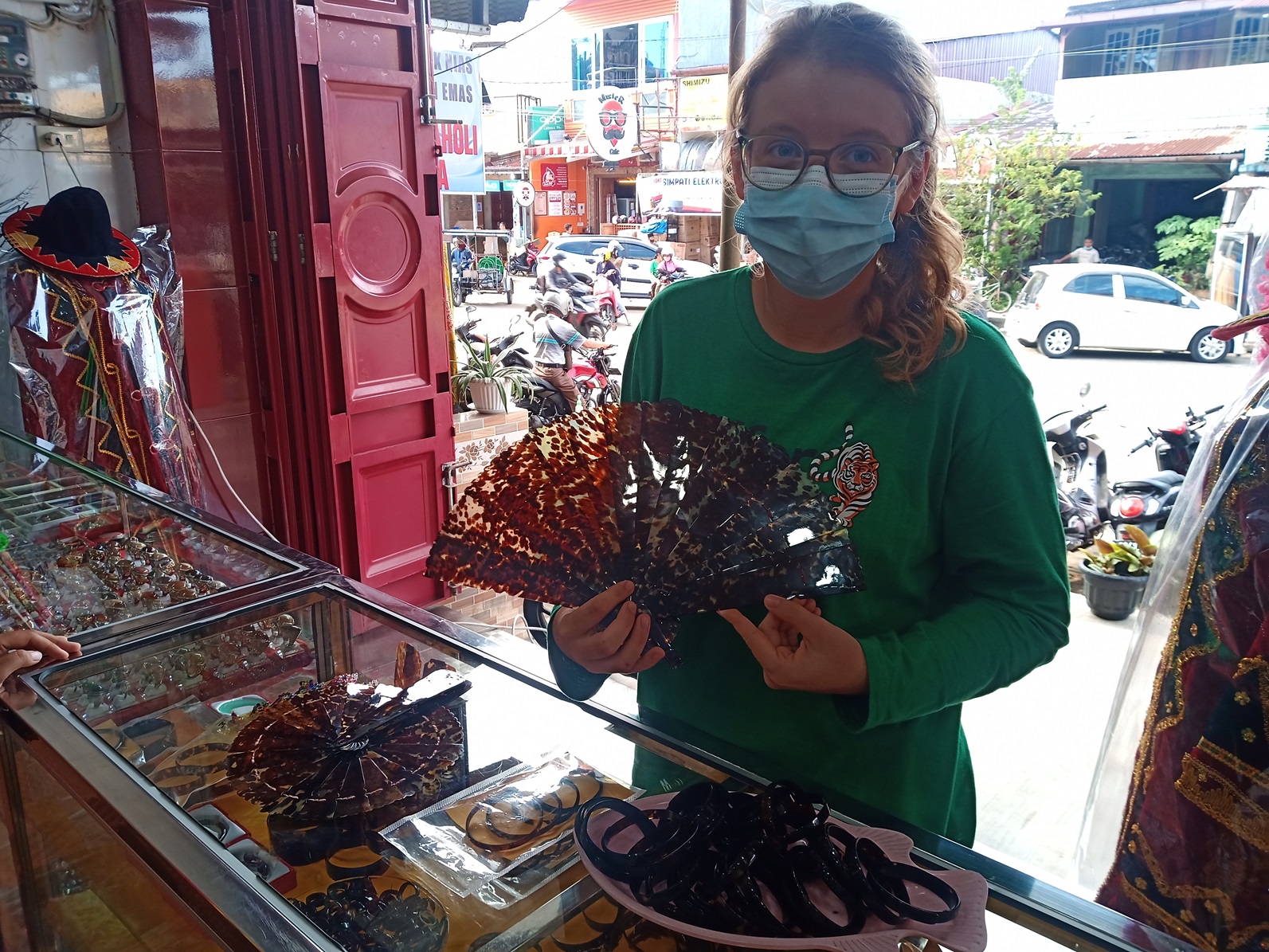
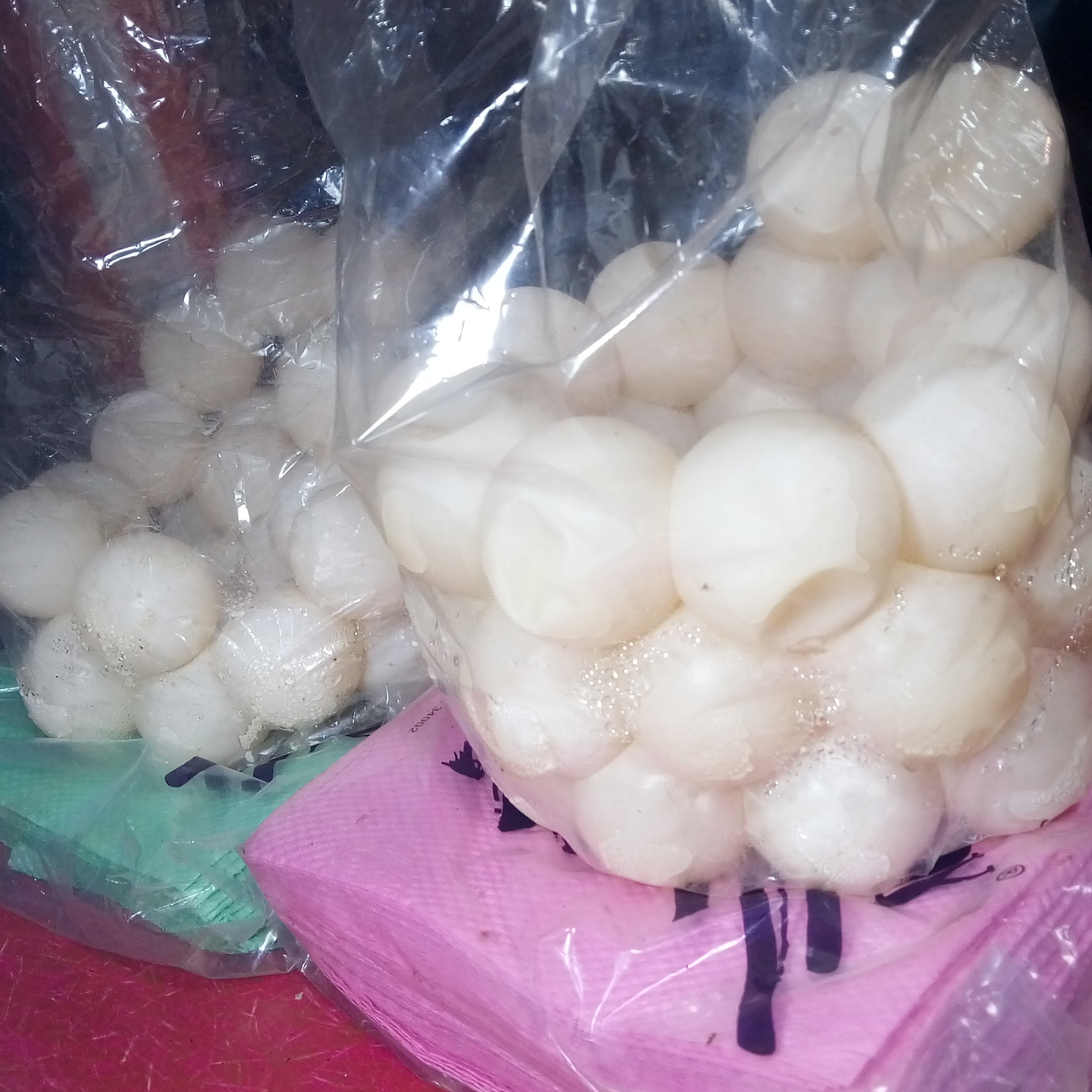
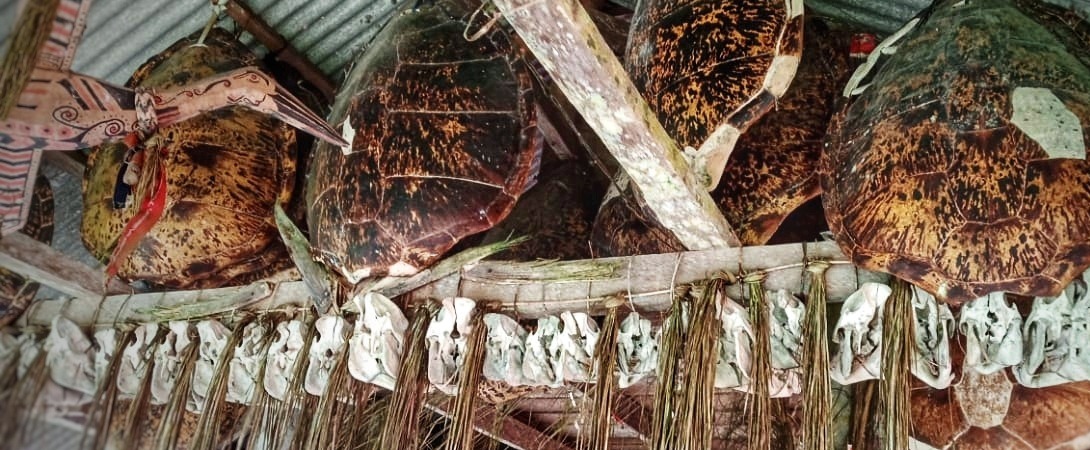
We found that both turtle take and use remain common, but the specific practices and drivers vary. In Padang, people only used eggs, mostly for medicinal purposes. In Mentawai and Nias, people used all parts of turtles and both cultural and religious beliefs shaped how they used these parts. The product people traded most was tortoiseshell, which comes exclusively from the critically endangered hawksbill turtle.
Interestingly, while nearly everyone (94% of respondents) knew that sea turtles are legally protected, many still believed myths – such as the idea that turtles prey on fish and reduce fish stocks. Misconceptions like these may help explain why turtle exploitation continues, even where awareness of legal protection is high.
Our findings show that protecting sea turtles requires comprehensive, community-based approaches. Governments must develop strategies in collaboration with Indigenous communities and respect their traditions and needs. We recommend:
Developing culturally appropriate alternatives to turtle use in religious and medicinal contexts
Expanding community-led monitoring and education programs, incl. on the ecological importance of turtles and the health risks of consuming turtle products
Offering livelihood alternatives such as turtle ecotourism and sustainable fishing
Promoting protein alternatives in subsistence communities
By working with and listening to Indigenous communities, we can better understand why sea turtles are still exploited – and co-design effective, culturally appropriate solutions that protect both people and turtles.
The peer-reviewed study, “Exploring sociodemographic and cultural characteristics of sea turtle take and use to support effective conservation strategies in Indonesia,”, can be accessed here. This study is a collaboration between the Czech University of Life Sciences Prague, Universitas Syiah Kuala (Aceh), WWF-Australia, University of the Sunshine Coast, and Liberec Zoo, with the support of local communities in Sumatra. It highlights the importance of interdisciplinary approaches in tackling biodiversity loss and supports evidence-based policymaking in Indonesia’s marine conservation landscape.
Gallery images