The Kingdom of Bahrain Accedes to CMS
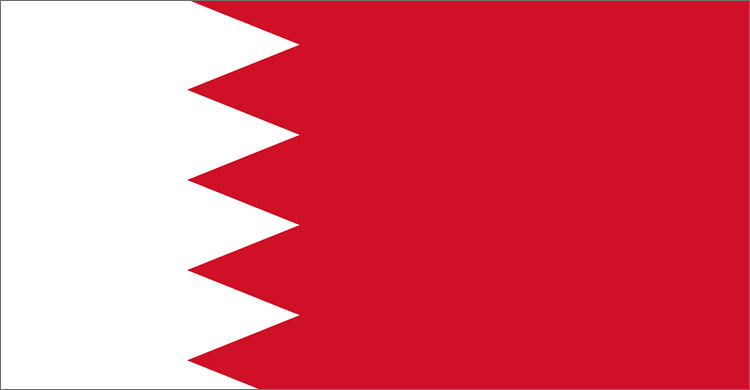
Bonn, 1 March 2022 – The Kingdom of Bahrain has acceded to the Convention bringing the number of Parties to 133. It joins the ever-growing number of contracting Parties from Asia.
The Kingdom of Bahrain, whose capital is Manana, is an island country located in the Persian Gulf that comprises an archipelago of natural islands and artificial islands with a total land area of 728 km2 and approximately 3000 km2 of territorial waters.
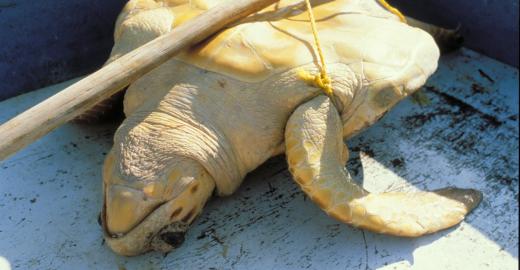
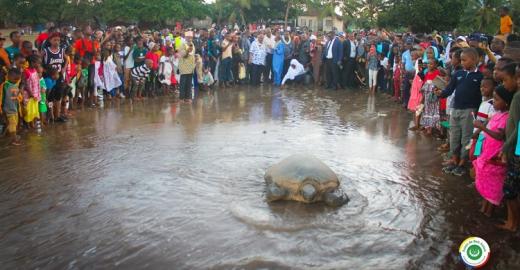
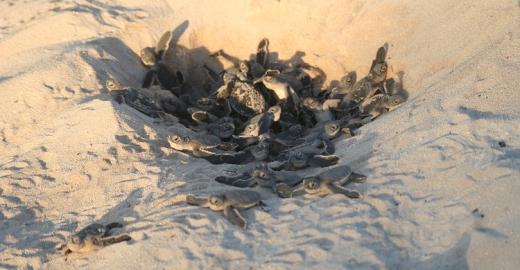
The country hosts many CMS-listed species. Bahrain is a hotspot for migratory birds during the winter and autumn months. The Hawar Island Protect Area, an internationally recognized site for bird migration, has the largest breeding colony of the Socotra Cormorant (Phalacrocorax nigrogularis), which is listed under CMS Appendix I. Seagrass beds are foraging grounds for some threatened species such as dugongs (Dugong dugon) and the green turtle (Chelonia mydas), both listed under CMS Appendices.
The Kingdom of Bahrain is a signatory to the Memorandum of Understanding on the Conservation and Management of Dugongs and their Habitats throughout their Range and the Memorandum of Understanding on the Conservation and Management of Marine Turtles and their Habitats of the Indian Ocean and South-East Asia.